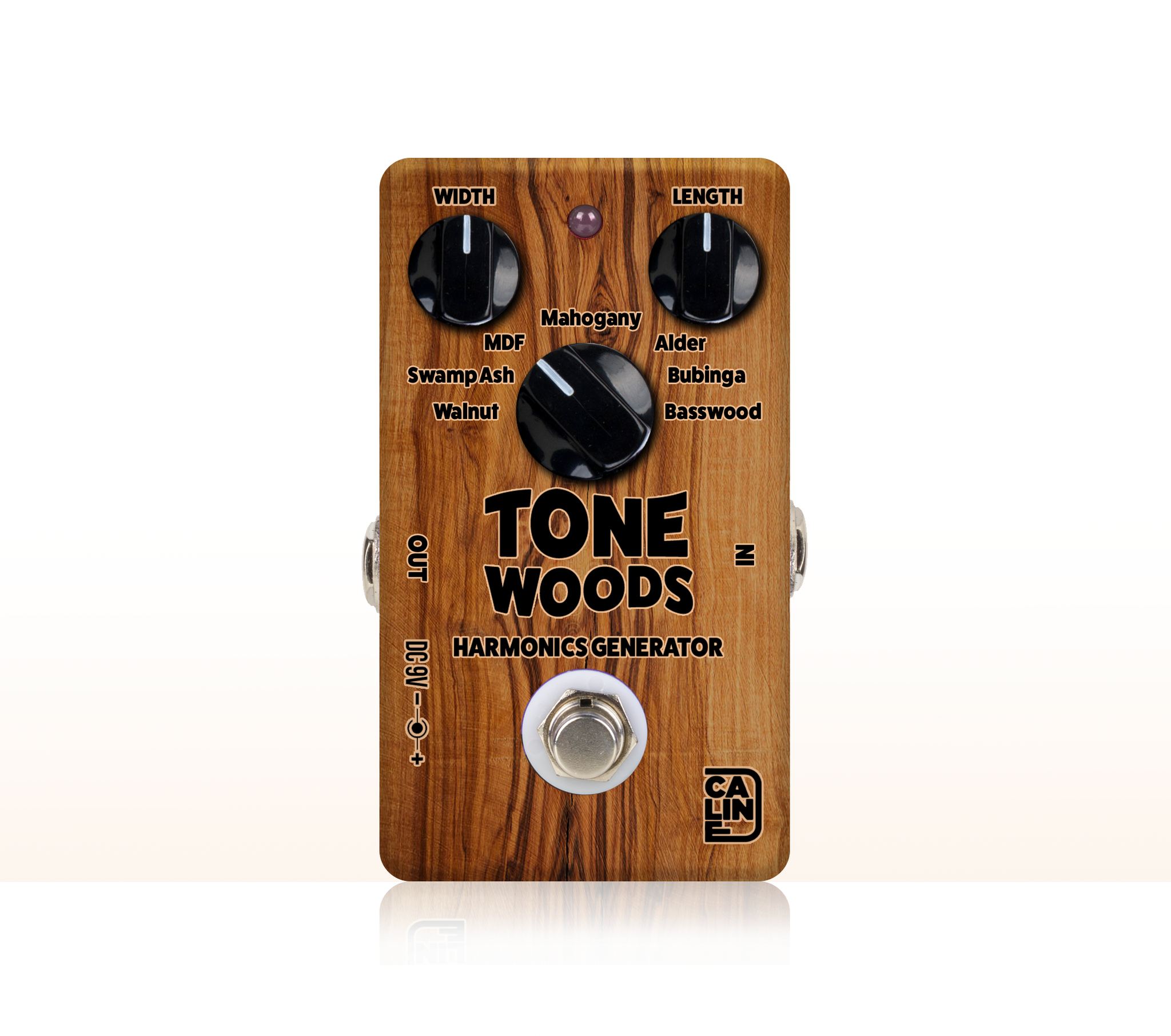
the answer to make us all agree :
12 Likes
Is this a real thing?
1 Like
Hahaha MDF
1 Like
My first bass was plywood or MDF, I forget. A plywood of MDF? I was sanding the finish off and saw the layers and disgusted, knowing it was a cheap no-name, threw it in the dumpster.
I wish I had kept it 
1 Like
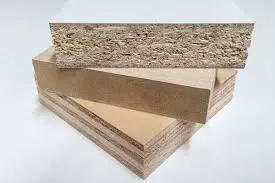
Probably plywood? Plywood has layers. Each layer is oriented 90 deg to the previous to increase the strength. MDF looks completely uniform in colour no matter how you sand or cut it and particle board is old bran flakes and glue.
2 Likes
On 1 Apr it is 
3 Likes
I’d check your calendar @John_E.
It’s a special day. 
1 Like
Had no idea it was April, sigh.
2 Likes
So this pedal will hardly produce any real difference from one setting to the next. I bet it would still muster up some die hard fanatics if it was real.
3 Likes
Plywood is so uncouth… it’s called “laminate” 
2 Likes
I basically would have assumed that all guitars/basses are made of laminate or plywood. Because if you can angle the grain of the different layers, you get much more stability.
I assumed only “naked” guitars and basses are made of one piece of wood, for the looks.
Laminate/ plywood guitars would be heavier than their solid wood counterparts. Something I bet most players would like to avoid.
I had a Korean Squier. It was made in an era where they used plywood. Something I have not witnessed again in their newer production lines. There was a big weight difference to ones made of basswood and alder.
I’m not too sure what advantage of plywood’s stability would be to an instrument. As far as looks, even some solid bodies instruments get veneers to make it look “better” ie Epi LP guitars.
2 Likes
I mean I was a teenager so I have no idea on how heavy it was compared to others, the only bass I had to compare it to at the time was a Peavey T-40  I assumed it was anything but plywood, and got disgusted because “the cheap pos was made from plywood” because I just had no f’ing clue about anything at that age.
1 Like
There are plenty of very heavy solid wood bases too and 13lb LP guitars from the 70s and 80s are not that uncommon.
Well, that’s all a maple cap does and you can only see the top of it so a thin veneer makes much better sense economically vs a 1/2 in piece of wood. on a bound body, the only way you can usually tell it’s a veneer is to pull out a pickup and look.
The initial post in this thread has some good pros/cons about plywood; then it kind of devolves into a tone wood argument 
Depending on who you talk to, laminated necks are either great because of their stability or not great because they don’t vibrate as well as solid necks
1 Like
Bass players: I want a light bass
Also bass players: <add bridge that weighs and extra 1/2 pound>
https://www.talkbass.com/threads/poll-p-bass-weight-which-one-the-heaviest.1404740/
1 Like
my new Sire Marcus Miller has an f’ing steel bridge according to their site It’s a pretty light bass as a whole.
But yeah, there are a lot of heavy bass bridges out there that absolutely take pride in it and are designed/built for it.
1 Like
I have no idea how much any of my bases weigh, according to Sire an M7 5st Ash weighs 4.67kg (10.3 lbs) which is the heaviest of all their bases and would probably make it my heaviest bass. I prefer a heavier bass vs one that has neck dive.
I figure that if a bass is too heavy, it’s time to hit the gym for some heavy squats
That’s a 5-string that approaches The Beast in weight as a neck thru 6-string XD
My '95 Strat Plus is my heaviest guitar at over 8lbs. It’s heavier than a 7-string ESP (7lbs 15oz according to Sweetwater)
Edit The Sire M2 weighs 7lbs 4oz w/ a strap o.O
The Ibanez Mikro 5 was 6lbs 14oz
1 Like
That’s why I added the word “counterpart” to compare like with like. If the plywood is made of the same woods as a solid plank it would be heavier.
Not sure what your point is. @Malyngo mentioned he only thought naked guitars were made of solid wood for the look and we know that even naked solid bodies can get dressed up with a veneer.
1 Like