As is pointed out in the video above, wood for various purposes is commonly kiln-dried to remove moisture from the cells. But torrefied wood is exposed to higher heat, which not only removes the moisture but also causes the cells to collapse, thereby ensuring that they will be unable to absorb moisture from humid weather conditions.
Also, it’s interesting to note that many guitar and bass manufacturers have developed their own unique “recipes” for how they roast their necks. That way, they can create material that is custom made to work with their respective manufacturing processes and equipment.
This is rather interesting and now it caught my curiosity. I’ll read more about it. @MikeC do you have basses made of roasted wood? Does the roasting make it also lighter?
Something else came to mind regarding wood materials and humidity.
Is it better when the neck and fretboard are made of the same wood? How does the humidity affect a neck made of mapple + a fingerboard of indian laurel?
I read somewhere that Indian laurel needs oiling from time to time. This is one of those things beginners learn after buying their bass guitar. I wonder how often one needs to oil the fretboard in climates with more humidity changes. Probably when the winter comes and the air gets dry it would be good to oil the fretboard.
Don’t worry about your neck. Just keep the truss rod adjusted, wipe the strings with a cloth after playing, and give the fretboard a touch of oil a couple of times a year (most convenient when you change strings). That’s all you need to do.
Here’s a link to a helpful thread about fretboard oil.
Cheaper does not mean worse neck.
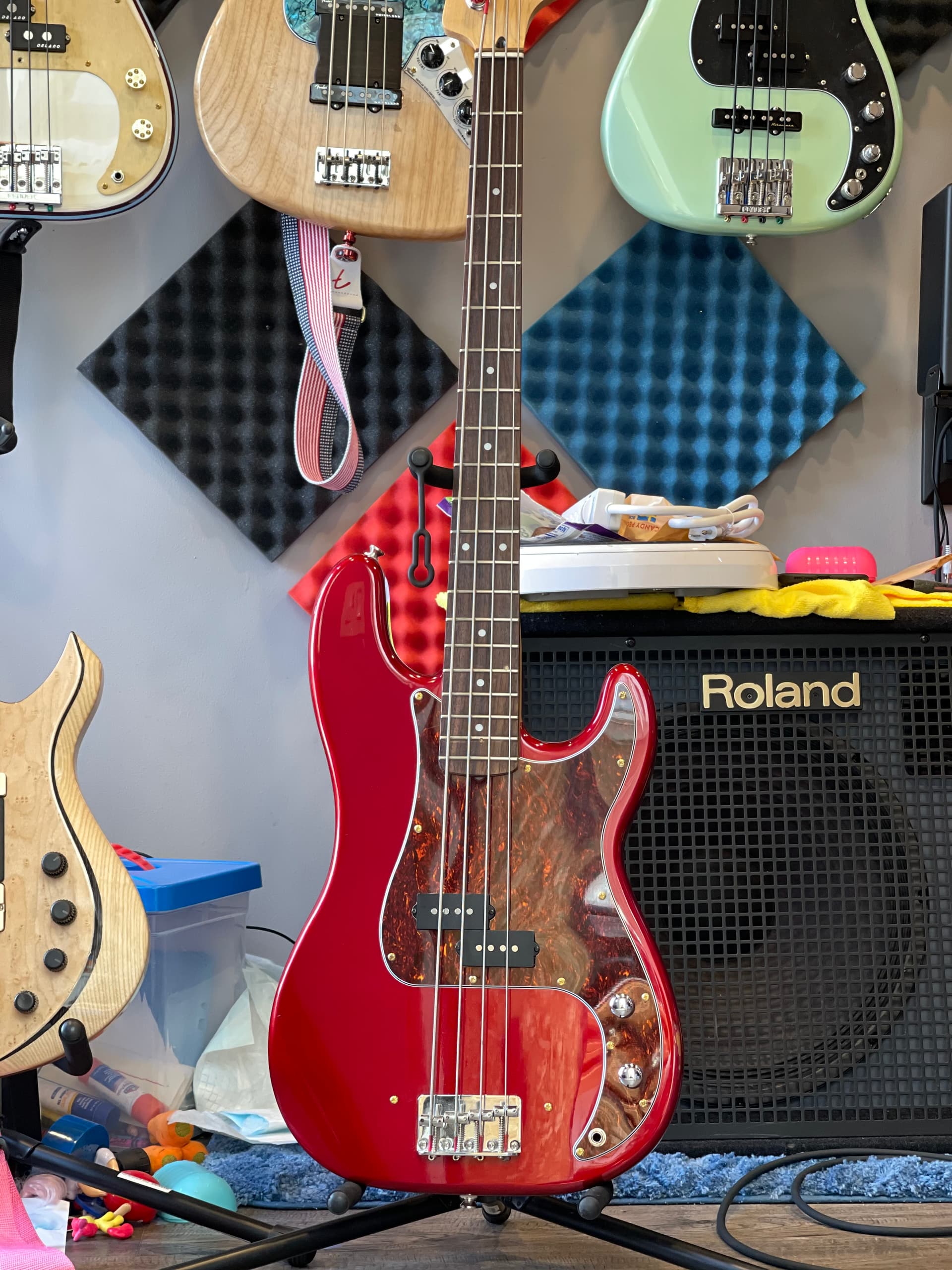
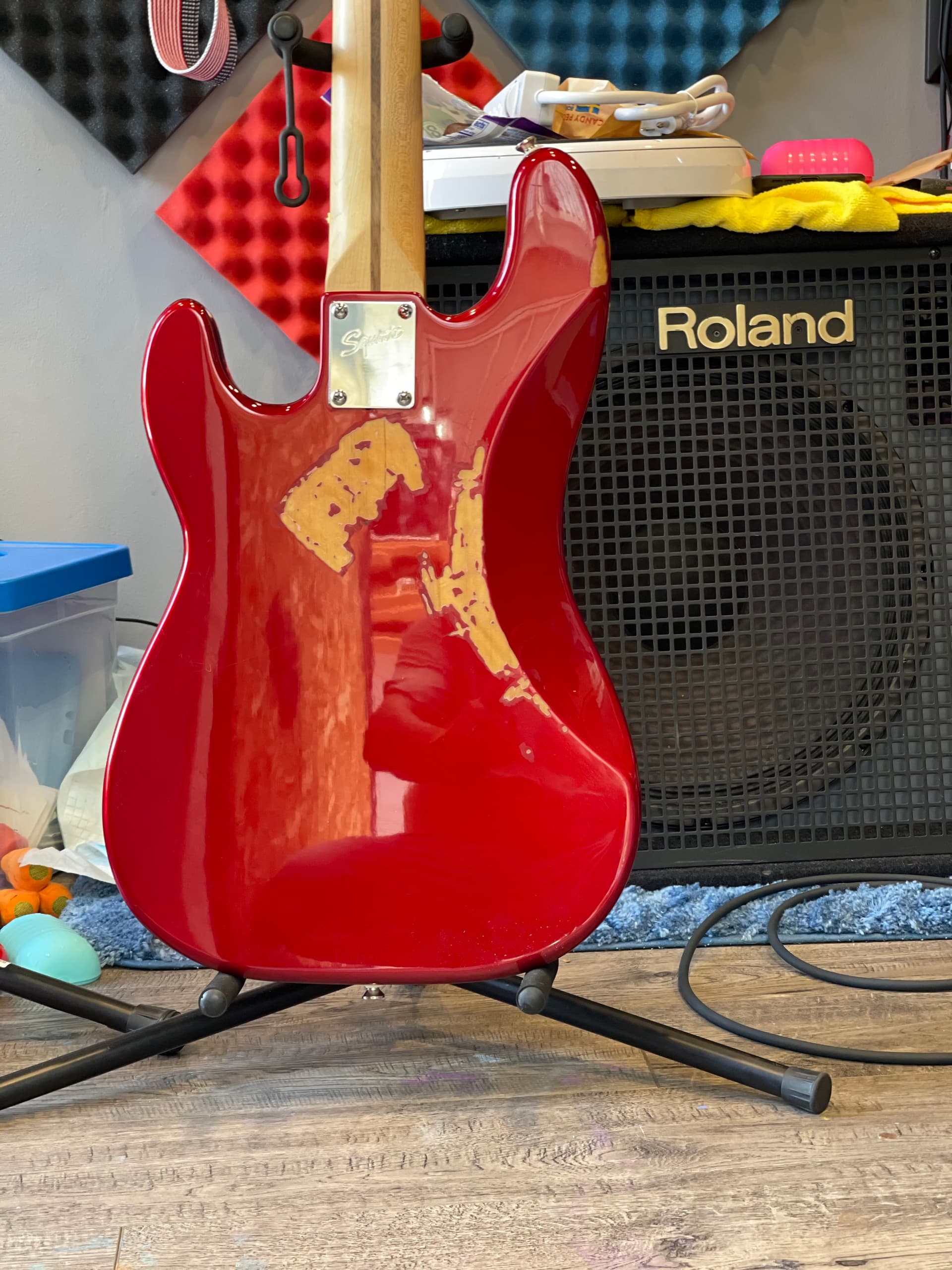
I started on a Squire Classic Vibe 70s J bass and still have it, and it has one of the most robust necks I own. the thing is a tank. Sometimes more $$$ basses use more exotic woods, for asthetics or for lightness (weight). Heavy is helpful with necks, and although I can’t tell you which ones in the collection are most robust, I know this one is not on the ‘crappy’ end.
Over time, your ear or fingers will tell you when to adjust, not weather.
Buzzing - too low, add some relief.
Working too hard to fret, straighten back.
This is all part of getting to know your instrument, and, more importantly, yourself.
Thanks, John! Actually I now already guess when the humidity is rising by ear, based on the rattle. As soon as the A on the 2nd fret of the G string starts to rattle, the humidity is higher.
This bass is really awesome. I researched before buying, trying to find a combination of quality and affordable, and this fit the criteria. As I’m a beginner I didn’t want to buy a more expensive bass guitar, but wanted one that I would enjoy playing. I got to test it at a shop, and I liked it. They made it a very good setup for me, and after that it felt even better. I really like it. These comments confirm I made a good choice. Thanks!
It is. I love the Classic Vibe series, they are as well made as the USA version. They sound awesome right out of the box too. I wouldn’t worry about having to make adjustment on a bass, it’s an essential skill and many people don’t want to learn or too scare to do it. I have a few basses and there are a couple of Squiers that’s in my rotation quite a bit. At one point I only gigged with my modded Squier(s) I even made my own Pino Paladino’s CustomShop P-Bass,
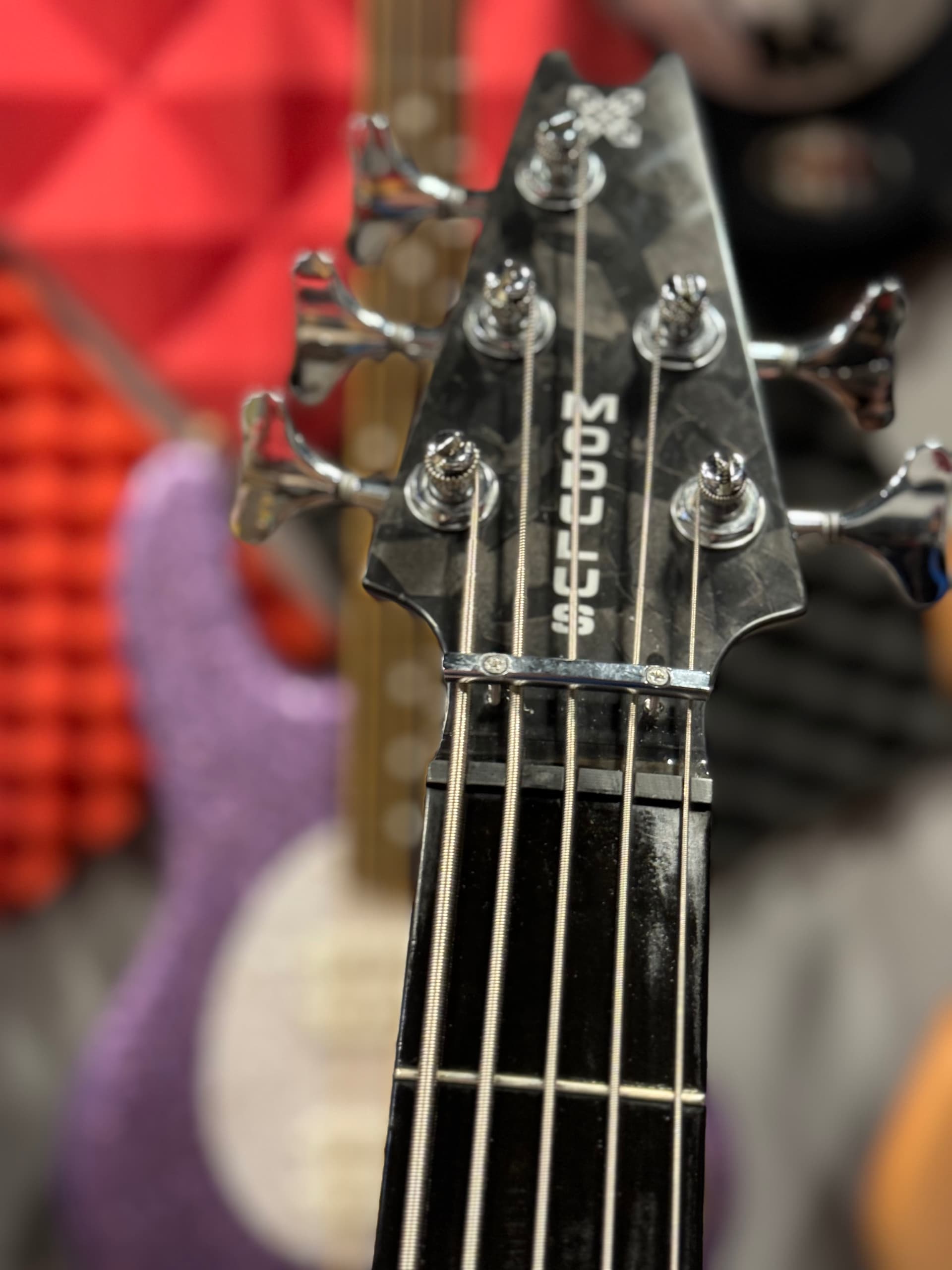
As for the neck wood material, I have all kinds Maple, Roasted Maple, Birdseye Maple, Tiger Striped, Wenge, Ovengal, Graphite, Mahogany, etc, they need some TLC every once in a while.
The next and only time you’ll need to do is fret sprouts, wood lose moisture if not properly or all the way “dry” when it shrinks the metal frets remain the same length and it would stick out a bit you just need to address that when it comes up.
I hadn’t heard yet of fret sprouts. Hopefully I won’t have to deal with that too soon. Fortunately it seems most adjustments a bass guitar needs are easy to do oneself, and there are good videos with instructions. It was very easy to loose the trussrod. I think a store might charge from 50 to 90 euros to do that. It’s very useful to know how to it it myself.
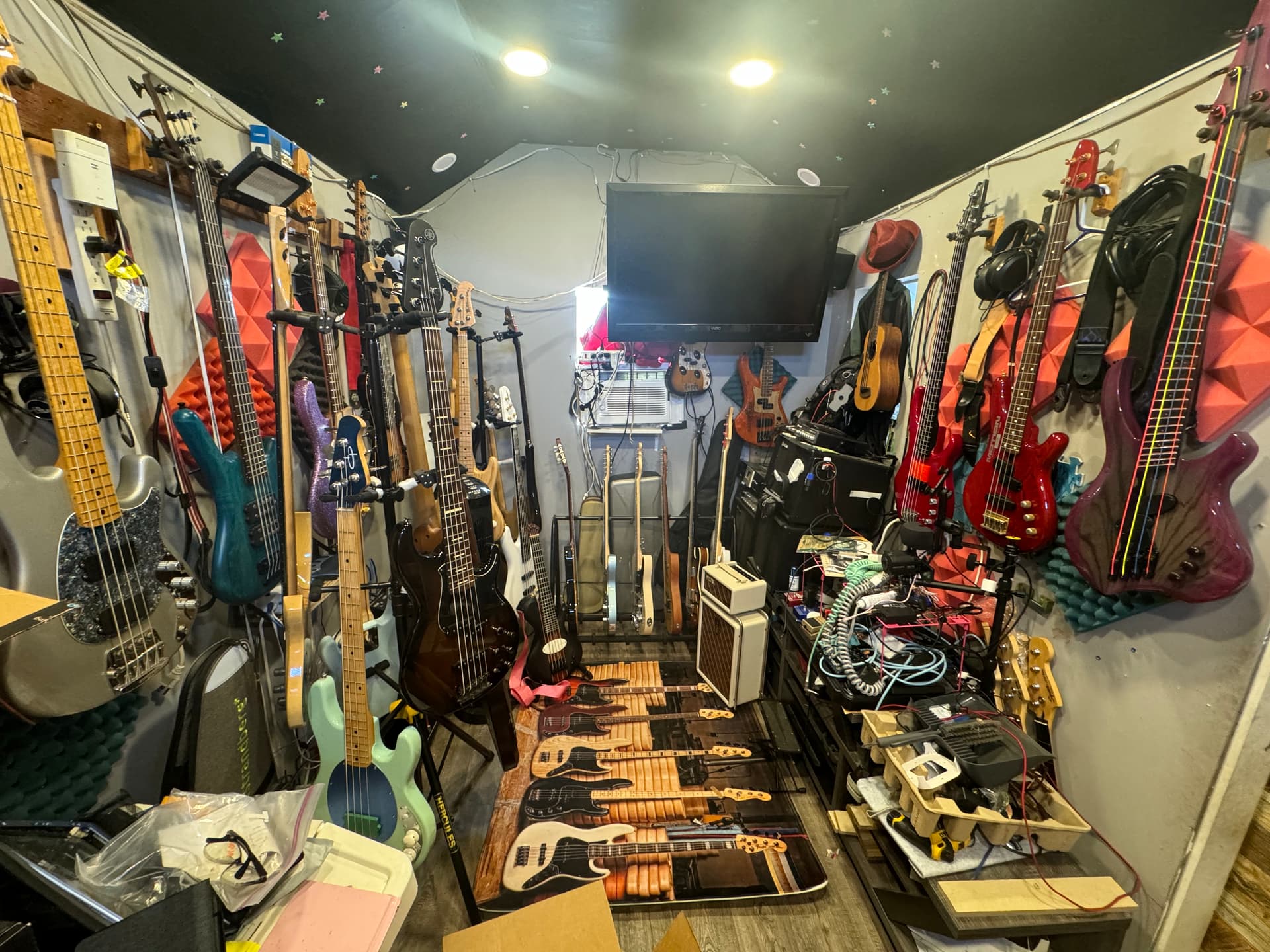
Sorry muscle memory, can’t quote the exact number my wife will put out a contract on me, as the matter of fact, put a gun to my head I can’t tell the exact Numner,
AFAIK, it’s definitely less than 100 the last time I investigated.
I can’t imagine having so many basses to the point of losing count. It’s a rabbit hole, that’s for sure. I used to collect orchids (I still have them, I just don’t buy new ones anymore), and at some point I forgot how many I had. It has been always less than 60, of different species. I used to have an excel file with all the information on each one (when I bought them, from where, to whom I sold or gave divisions, season of blooming, etc), but at some point I got tired of updating the file, and I don’t go through the trouble of counting them. It is somewhere between 50 and 60, I think. Then a friend gave me some hoya cuttings. Now I have lots of orchids and hoyas. I don’t buy new plants because they take space, and it takes a lot of time to care for them. But orchids too can be a rabbit hole. I have friends with 200 to 300 orchids, so mine is in comparison quite a small collection.