Hello All ,
Checking in and seeking some advice regarding vocals in a back up situation. Meaning , Only Singing The Ghost. It was referred to as ghost and there is definitely a proper term for sure.
The song is Learning To Fly by Mr Petty. The chorus is I’m Learning To Fly - But I Ain’t Got Wings obviously. My roll was to only sing Learning … and Got Wings . Not the whole line , just those last few words of the lyrics.
The bass pattern is super simple F > C > A > G , I am only playing whole notes and using the Open A. Again , super simple pattern.
So my question , or guidance really , how far away from the mic ? What are we doing with our diaphragm ? How does one open their throat ? Any exercises that any of you recommend ? As silly as it sounds , have you discovered success with your eyes closed ?
I “searched” through singing links here on Bass Buzz under Technique but the three topics didn’t satisfy. Quickly scanned the @JoshFossgreen YT videos. Just wondering what you all might practice , work with , or have noticed with your own singing or lack of singing skills. If there is a link here on Bass Buzz already , let me know so that we are able to quickly dissolve this thread before it becomes off topic.
Thanx a mill in advance ,
Cheers
2 Likes
How far from the mic? It depends. (Of course). Usually with a full band live you have to be right on the mic like eating an ice cream cone. But in some situations, like recording or quieter songs you can or you need to back off from the mic. You don’t want to be louder than the lead vocal, so if that isn’t being fully handled by the sound guy, then you may need to adjust at the mic with your vocal volume or by backing off from the mic. So, basically, use your ears.
Opening the throat is important. Try a big yawn. Vocal warm ups that use relaxed open vowels are good. Don’t concentrate on the notes as much as feeling the relaxation in your throat and a nice warm tone. But you can do some scales to open up the higher register in your range.
Hope that helps.
5 Likes
Thanx @david.addis ,
Definitely interested in warming up with open vowels. I currently play as a duo and hadn’t even considered singing softer than my partner and that makes a ton of sense considering my role.
Hopefully with practice , will find that sweet spot between the speakers ,
Cheers
In a duo situation, you will probably need to back away from the mic a bit. It’s not so much singing softer than the lead vocals as just being sure not to overwhelm the lead singer, and finding a good blend that supports the overall sound – you know, like a bass player.
2 Likes
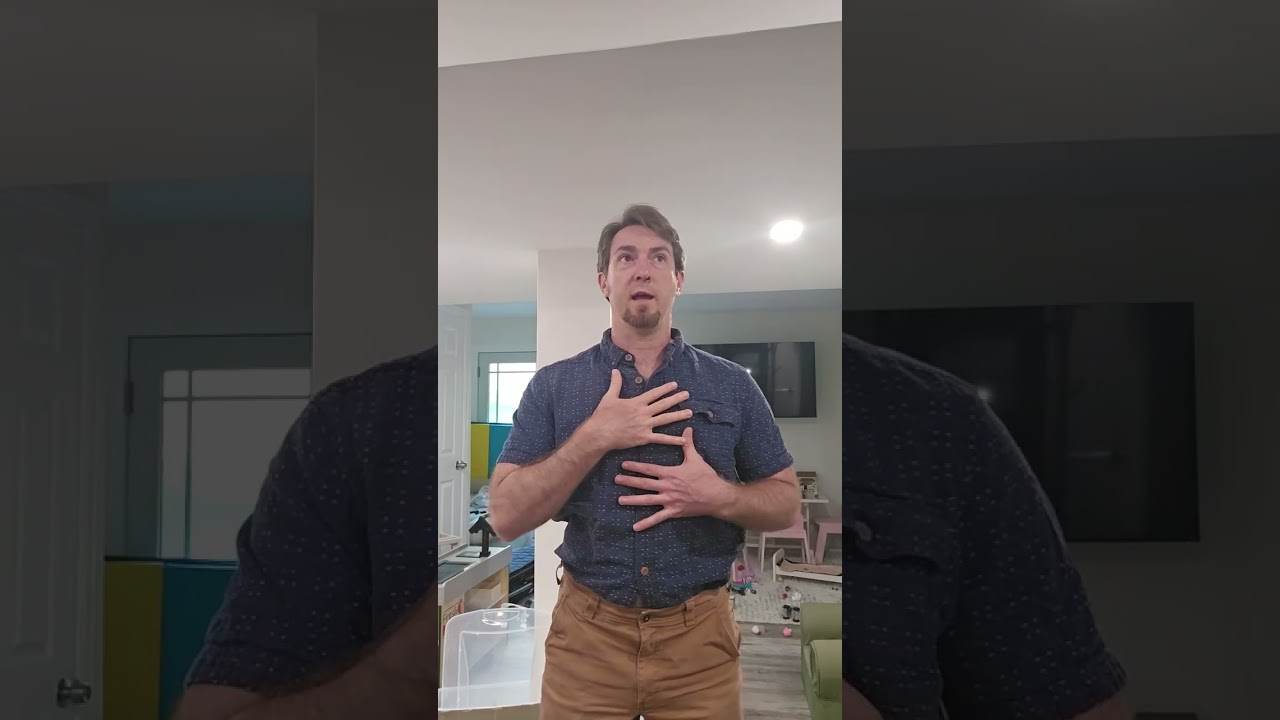
I made a video a few months back to give my guitarist tips for some basic breathing technique for singing:
these are all very good tips, I usually sing back-ups and harmonies i’ve found that being able to hear yourself is worth its weight in gold either in ear or in the wedge. a good sound check before you go on will solve the mix part, and the boom mic stand is your friend 
Hello @BeerBaron ,
Fantastic!! Do You Have The Link For The Throat And “Dropping Chambers” That You Mentioned.
Thanx A Million For This Particular Video And Long Live Homer Simpson ,
Cheers
No. I haven’t recorded a video on that. It’s also more complicated. It’s something to practice.
But basically… I usually think of it as four head chambers: Front mouth, back mouth/throat, front nasal, and back nasal.
Then you add in “chest voice” vs. “head voice”/falsetto.
Mostly it’s stuff to experiment with. Practicing just adjusting how you shape different vowel sounds to be able to support them better in whatever register they’re in.
An example - I’ve been working on “Wicked Game” by Chris Isaac. That super high “But I …” at the start of the chorus, I can’t hit by singing the vowel “I” as in “eye”, because that puts the resonance high and forward. But I can sing it if I shape it into an “ah” sound, so it become, “But uh-aa-Aaai…” because that vowel shape lets me drop my throat and use my back throat and back nasal to resonate.
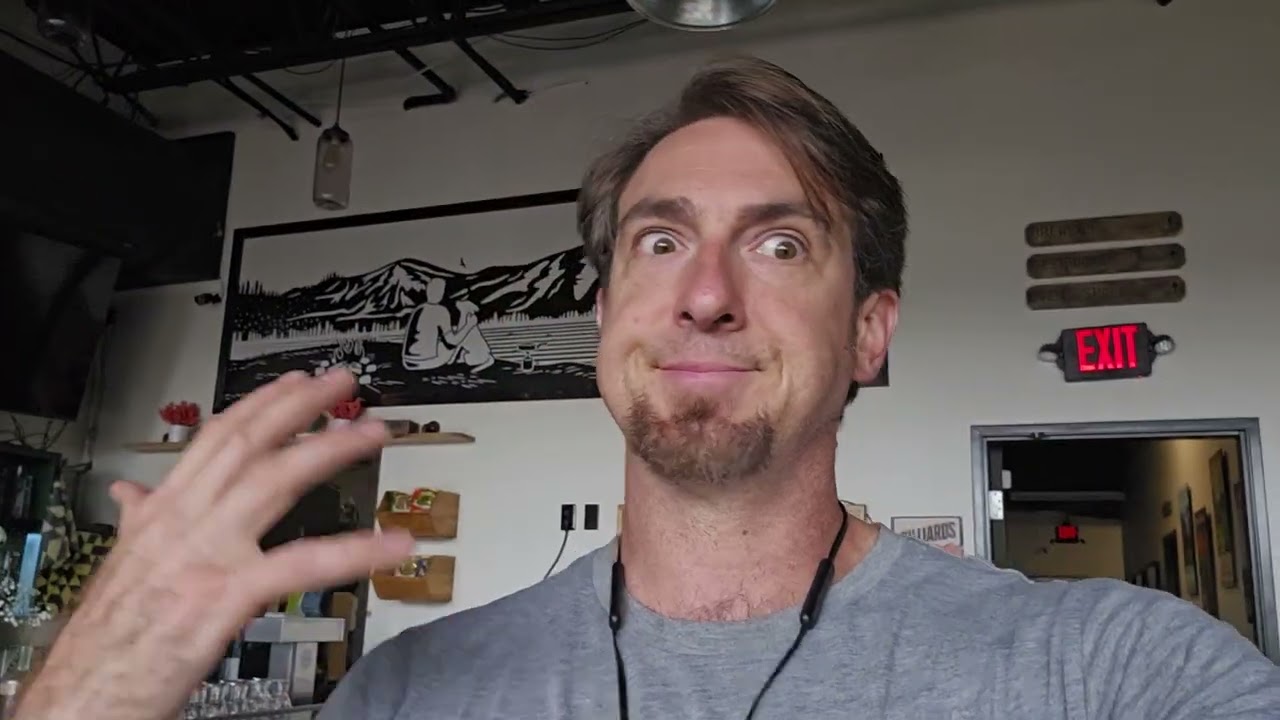
Here you go. Here are my quick and dirty thoughts on those subjects.
YouTube picked the perfect thumbnail…
2 Likes
Holy Smokes @BeerBaron !!
This video totally rocks. I have heard folks practice that scale pattern but I had no idea what they were actually doing. Now it makes sense for sure. As a rookie , not sure I feel the nasal aspect just yet but I followed your concept. Also , I noticed the jawline movement and how that effects the tone/sound.
I so appreciate you and thanx so much for creating this video. Never would have translated through words/typing but this particular video nailed it. Started feeling my neck movement while watching , mimicking if you will , so looking forward to practicing in front of a mirror as well.
You Rock ,
Cheers
2 Likes
That exercise is a classic warm up. It’s a good template to build lots of practices onto. It’s also a GREAT way to practice scales on bass too.
You can see the jaw moving, but it’s really more about what’s happening with the tongue. It’s like… I’m trying to take the base of the tongue where it sits back in the my throat, and push it down and forward to make the biggest space possible there.
It’s a resonance chamber just like the hollow body of a stringed instrument.
The nasal stuff comes into play less often. Most often when singing falsetto. But you can do it intentionally. Sometimes I’ll get intentionally nasal if I want “breathy” vocals for backup.
2 Likes
Heck yeah @BeerBaron , great info there! Thanks for sharing!
1 Like
100% And Tried This Last Night - Seemed A OK Until I Tried Playing The G Major Scale While Working Through The Thirds - Yes , I Still Have A Long Road Ahead - Yahooo0000
Thanx Again @BeerBaron ,
Cheers