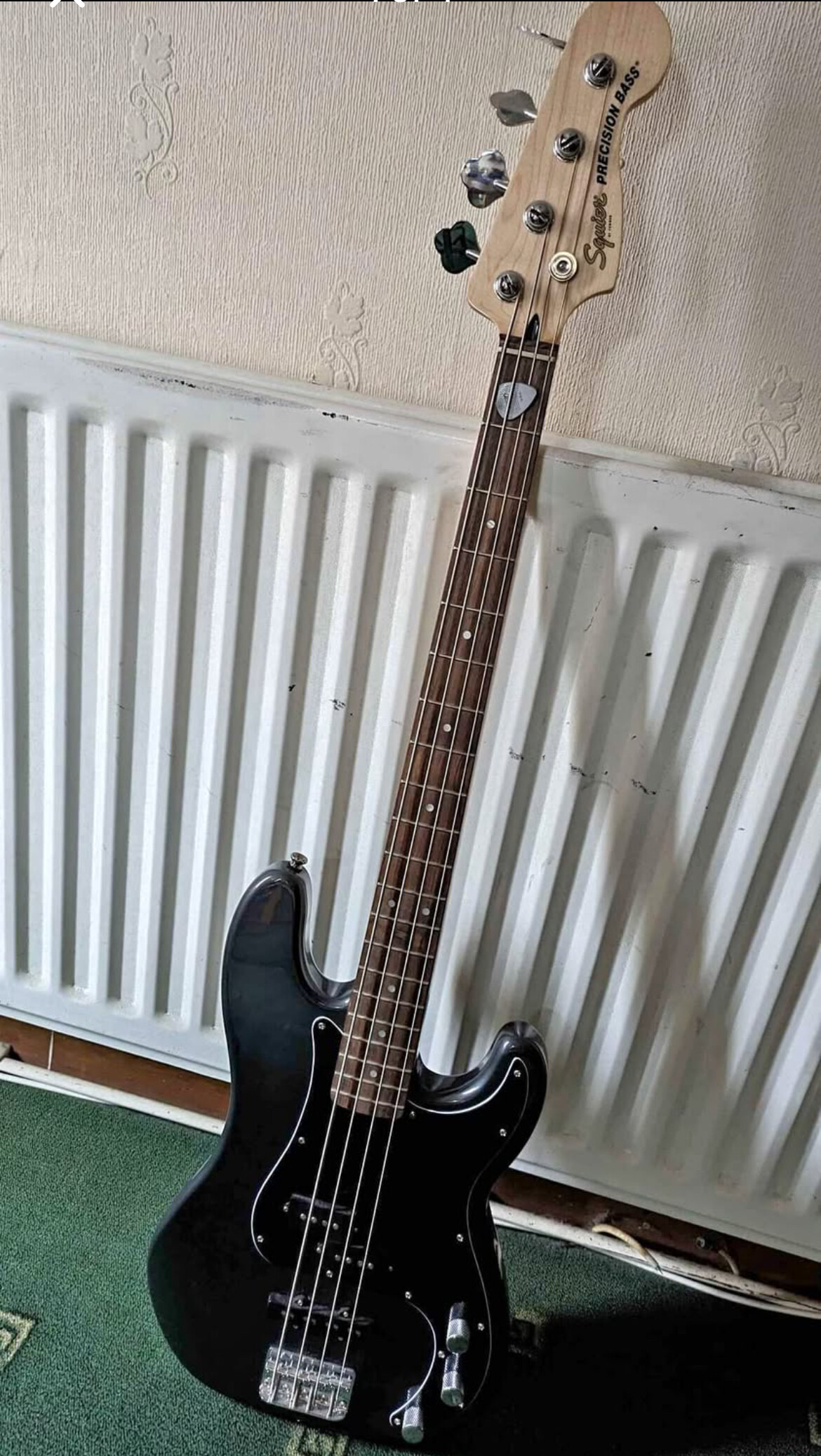
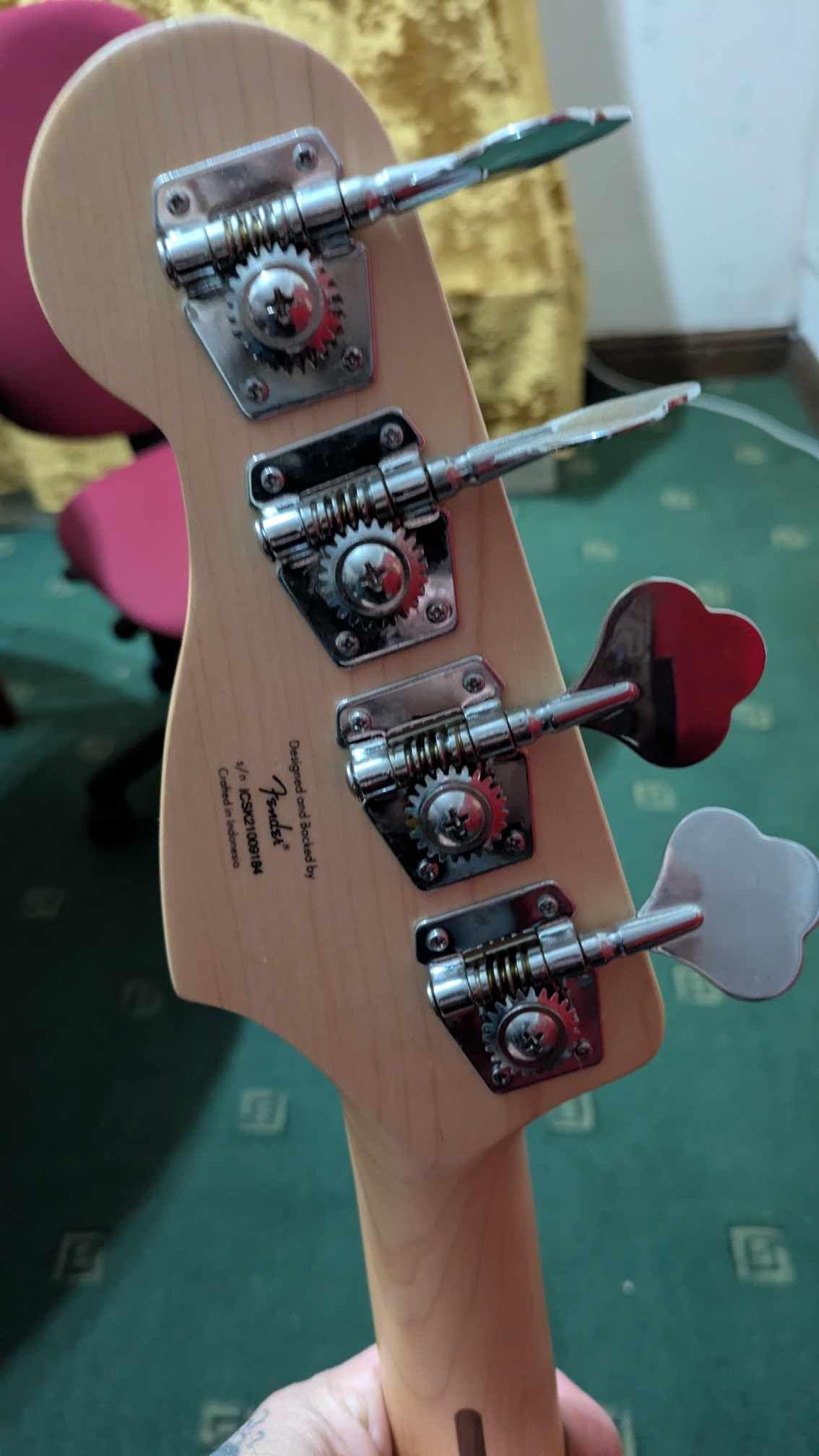
It’s a Squire, so Fender and I always said I don’t really want a Fender / Squire ‘cos they are too common… it’s in green, with a black scratch plate, not really a great colour, but could be lifted by an after market plate. For sale at £180. The guy says it’s in ‘as new’ condition, and won’t negotiate on price. He’s also a bit non-communicative, but we have agreed I could pick up this evening.
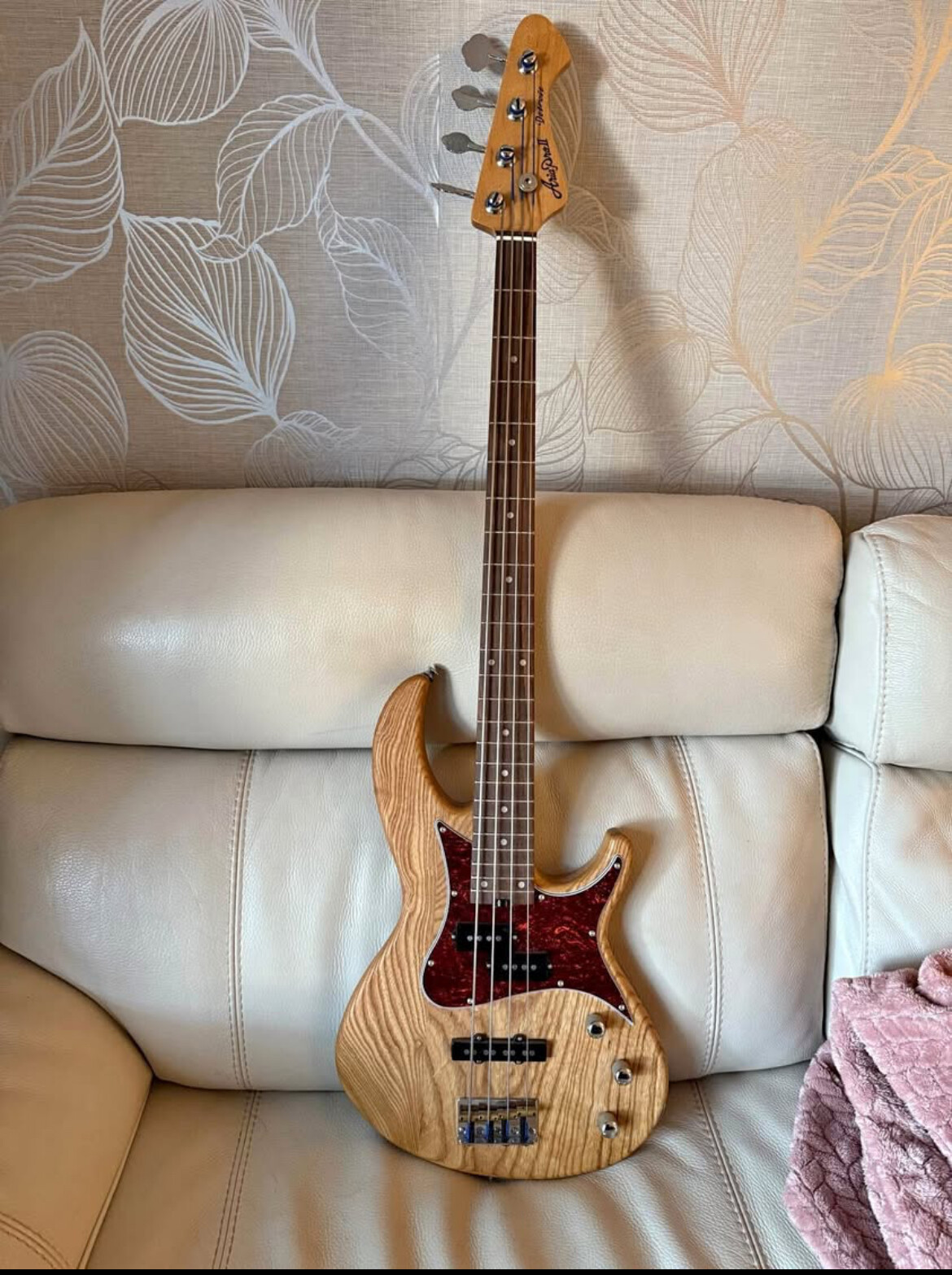
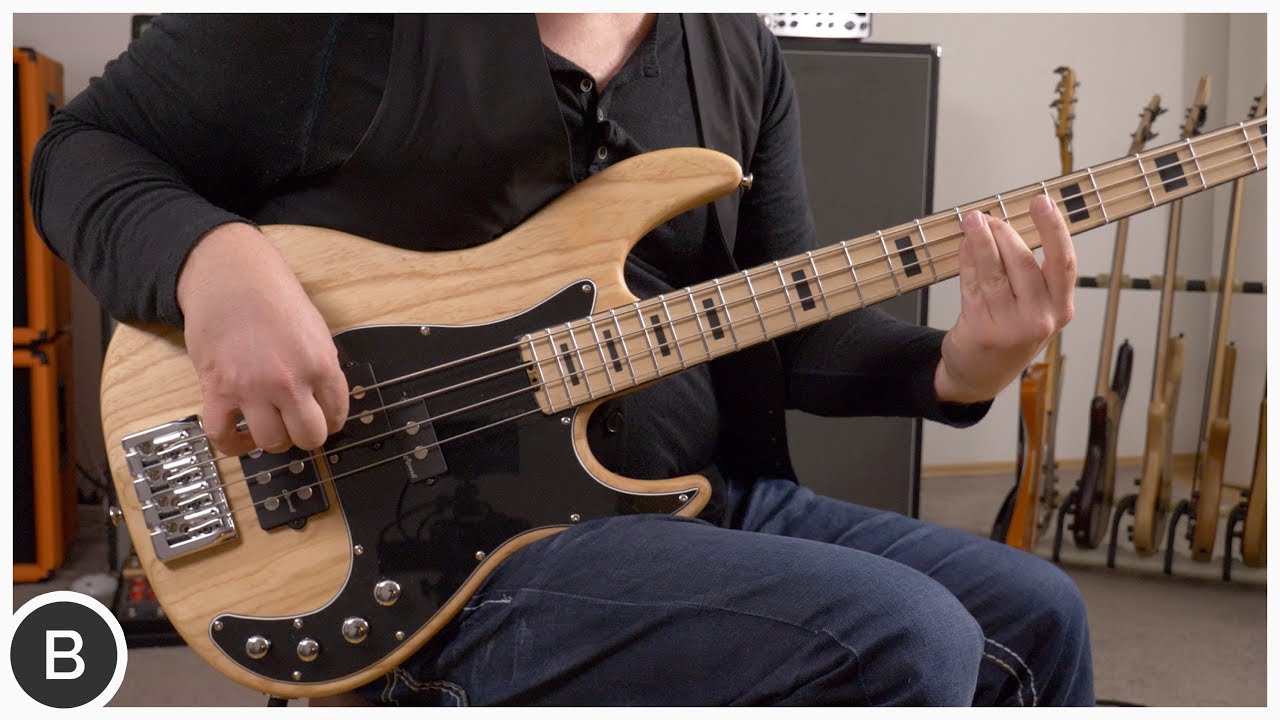
Also a PJ. Looks cool (IMHO) and wouldn’t need a new scratch plate to lift it. The seller would take £225 for it. Also ‘as new’ condition. It’s a bit further away than the Squire (in distance).
For obvious reasons, I can’t back to back play them…plus, I tend to work on the premise that if I don’t really like something I either don’t buy it, or I just sell it on.
It doesn’t, and if the pickup placement is the same, there’s a chance a neck pickup selected P/J will sound very, very close to a P, modulo other factors on the bass.
Individual basses, pups and ears vary widely. Pup placement and pup type will determine how a bass sounds.
Try out several and let your ears be the judge. Who knows? Everything might just sound hunky-dory to you when you compare a given PJ with a given P. Stranger things have happened.
But that PJ versus P equivalence thing hasn’t happened to me yet.
So: When you have two basses that are exactly the same otherwise, but one is a P bass, one is a P/J bass with J volume on 0 - than they should sound exactly the same, right?
So, it’s in fact a matter of simplicity when getting a P bass, not tone. @Howard’s “zen”…
On the other hand, a P/J would add flexibility. You can set J to 0 and ignore it … and turn it up, when you need it.
If I may give an opinion as a non-technician, here it is.
I would choose option 2.
First reason, option 1 is presented in a very negative way. “I always said I don’t really want a Fender”, “it’s in green, with a black scratch plate, not really a great colour”, “He’s also a bit non-communicative”.
Second, Aria makes really quality bass. If I read the review on Talkbass : "If there is one downside, it’s that Aria chose not to shield the control cavity at all - just bare wood and pots in there, no shielding paint either. So there is a little single coil hum when the J is soloed. Nothing a little copper foil won’t fix.
I think the choice of my point of view is very quickly made.
If it’s between those two, I’d go for the Aria (hands down) - it wins on looks alone
The difference is likely subtle, but - as has been iterated already - depends especially on the exact pup type and placement. Yet, in a PJ, the two pups are wired together, and thus “know” of each other (let’s just say in a quantum-mechanical way ), making up a slightly more complicated circuit. (That’s my theory anyway )
Not true! They are surprisingly well made and well sounding instruments at this price point. They are just not as readily available outside Europe and so first-hand knowledge of these is limited within the BassBuzz forumites
In a way that anybody could hear it - in the scenario I described above? (J to 0)
No need for quantum entanglement! In fact they do “know” about each other, as changing the volume on one PU can change the volume on the other - at least that is what I noticed on some of my passive P/Js.
But I ask myself, if this is significant in direct comparison P vs PJ.
Also, you could just “cut” the wires to the J … or install a switch…




 )