Another note: the reason the luthier declined to take on the job is very likely risk. This is a tough area to work on and a rare bass; hard wood, thin, in a critical area to not weaken. His first suggestion was actually to replace the entire neck; I then told him it was a SBV (out of production for 20 years, not so easy to find replacement necks). At that point he was like ahh, yeah, well, sorry man.
1 Like


3 Likes
now i am wondering if you could kintsugi it: very very very carefully grind out the screw and then inlay a little dab of epoxy mixed with gold pigment.
ok thats a little ridiculous but i’m just saying wabi-sabi that thing. 
(for those who dont know what i am talking about: Kintsugi: The Art of Repair — Stephanie F. Ycaza )
5 Likes
Epoxy solves EVERYTHING 
How do you want to get a grip on the screw then?
What’s the diameter of the screw?
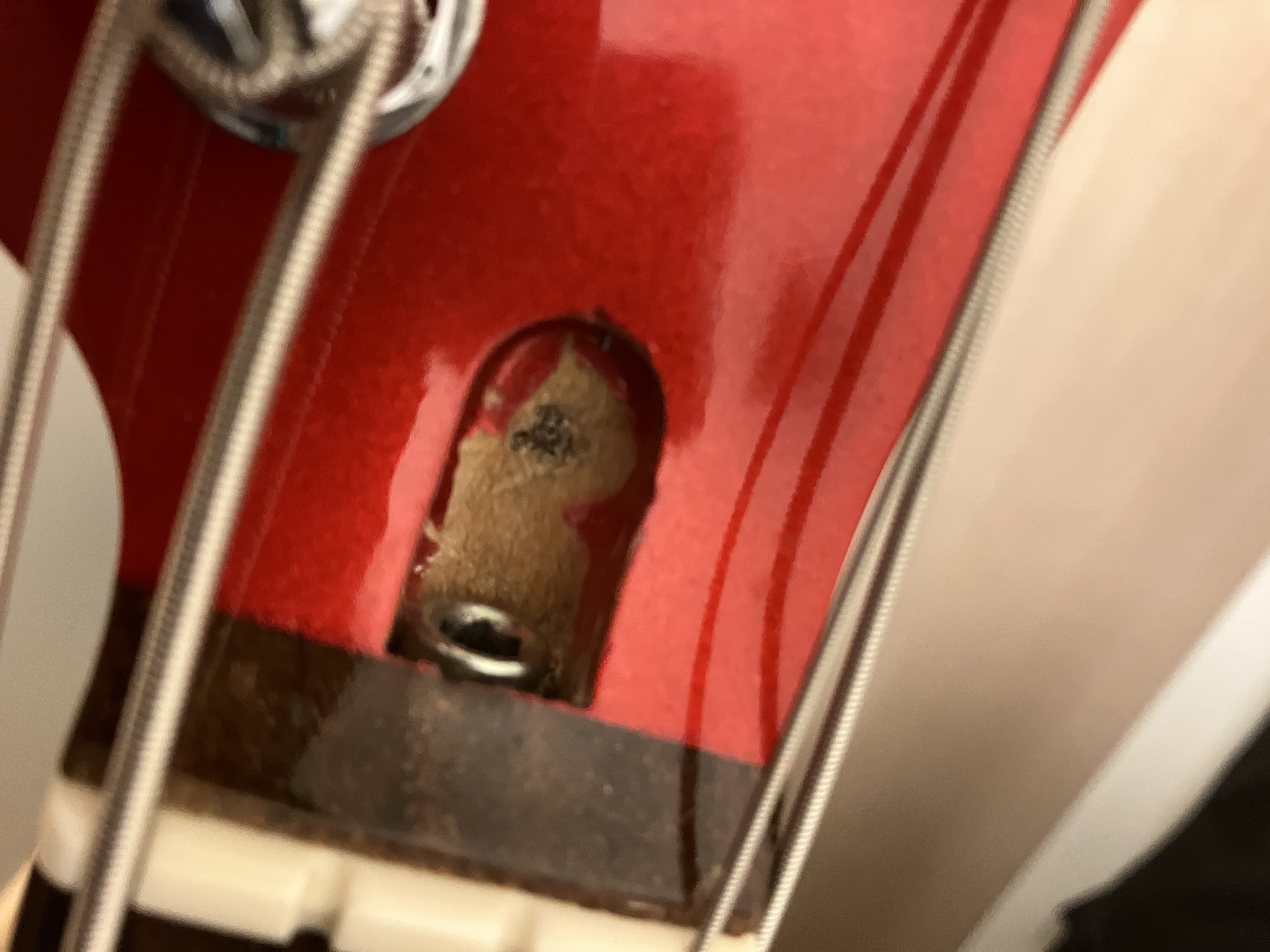
You made me really curious, and I have everything here to try to solve it … with a Dremel and locking pliers. Will try to stay below 1mm … but really don’t know how to get a grip on the screw with so little space!?
There’s a little nib sticking out already, enough to grab with needle nose, but not enough to get a grip to unscrew the thing. So the plan is to try and lightly remove tiny amounts of wood around the screw to loosen it so I can pull it out.
I tried the Olfa knife last night but the maple is so hard it is difficult to work it. Then I moved on and got a start with a 0.7mm bit in a pin vise. This seems more promising. Still slow going.
6 Likes
i am ignorant in these things so a question. when you eventually get this out and need to repair the hole, (you said dowel, or the sawdust/toothpick and glue route, or wood filler), do those stand up to repeatedly removing and re-tightening a screw? which you would need to do to remove the cover and access the truss rod, it’s not a one time screw the thing in and forget it forever thing. i would think they would eventually fail, strip out, etc. i mean a dowel shouldn’t because it’s solid wood. but the others 
1 Like
@howard’s going to fix and then sell it straight away so it’s someone else’s problem.
That’s how he rolls 
4 Likes
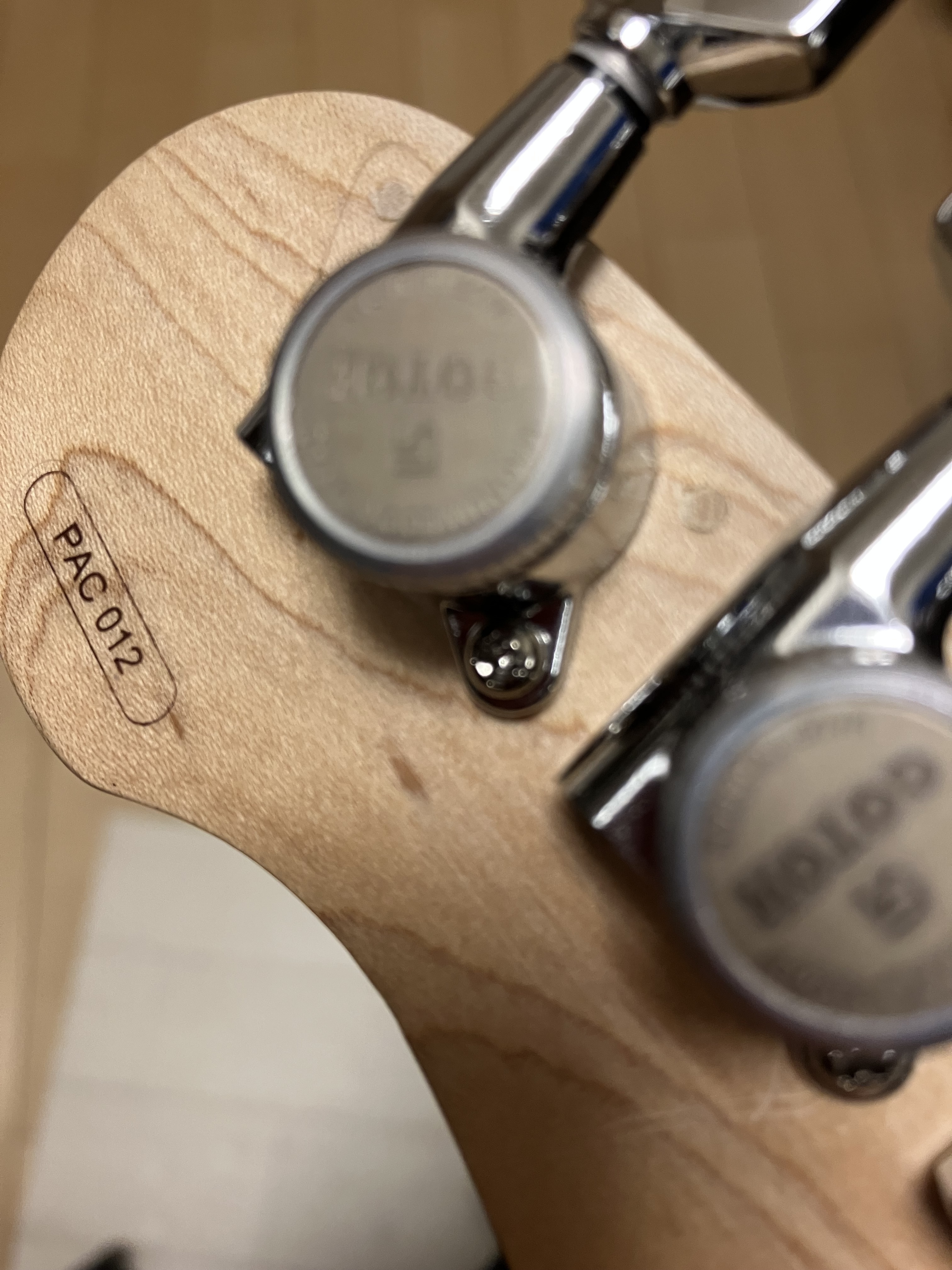
The fix is to get the thing out, then drill the resulting mess out into a shallow round hole. Then, cut a plug off a dowel at the same diameter, and wood glue it in. The fix this way will be very strong.
Here’s an example where I did this to some screw holes:
3 Likes
hahaha. Well ok maybe.
(This one is a keeper for now though I do eventually sell a lot. My problem is I have cultivated mostly all bucket list basses at this point.)
1 Like
this is like a different language to me
3 Likes
Necro-reply, but I’ve had good success with needle nose vise-grips for things like this. I can’t tell if there’s enough space to get them in from the picture though.
ETA something like these Irwin® Vise-Grip® Long Nose Locking Plier – Micro-Mark
2 Likes
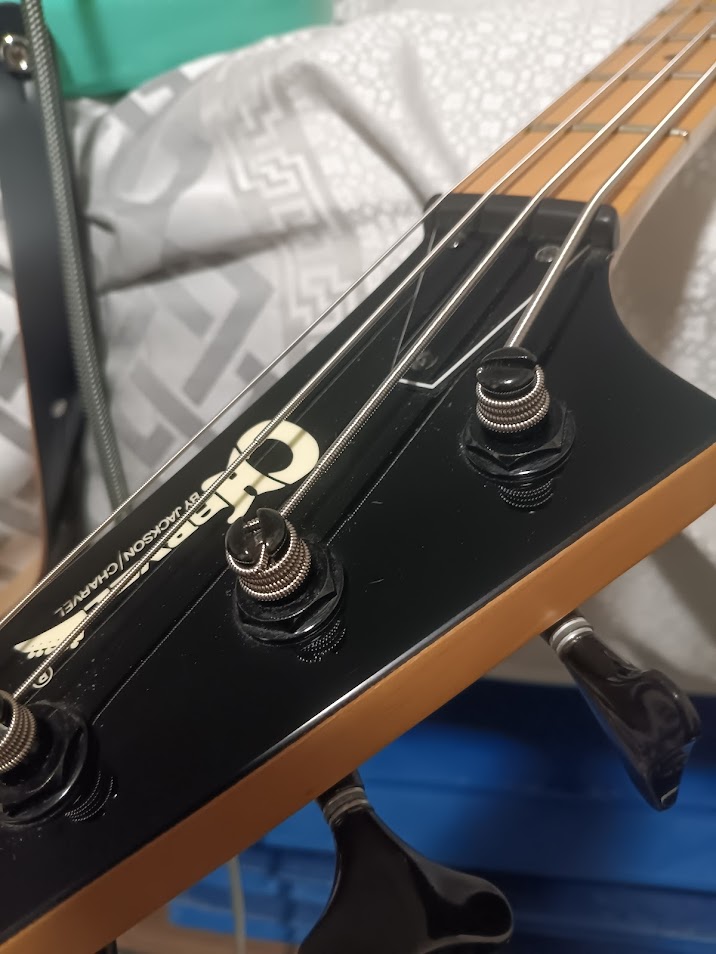
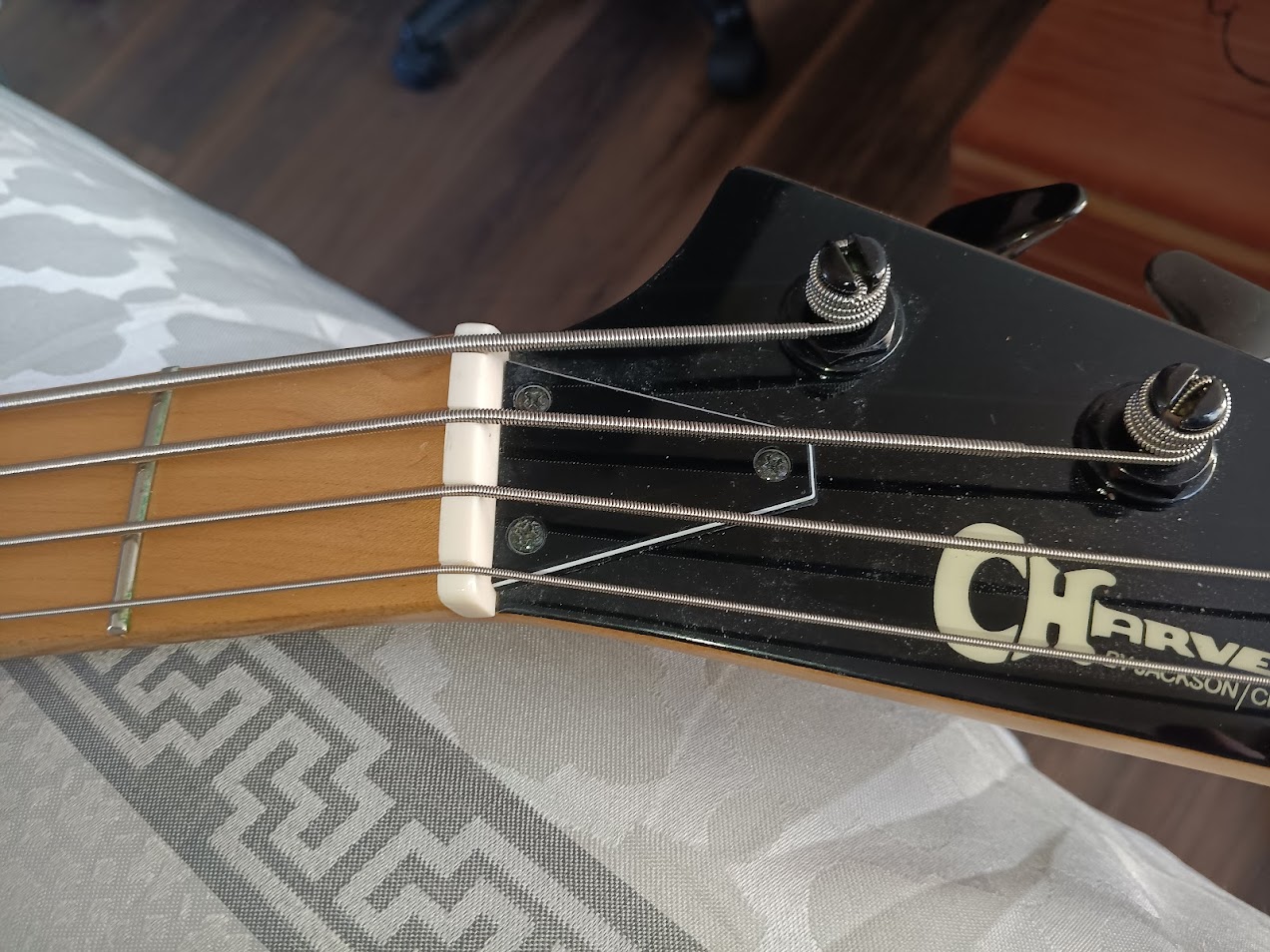
Kind of a sidebar from the current thread… Nut replacement… out with the old worn out plastic nut:
and in with the new bone one…
4 Likes
Nice! Amazing how easy it is, isn’t it?
2 Likes
Yeah those are good. A part of the issue is there’s only about 1mm of screw sticking up, so while I can get ahold of it, its not enough to turn it.
1 Like
Have you tried heating the screw, e.g., with a soldering iron?
Getting the metal to expand could possibly break its locking contact with the wood.
Also, is there any way you can create a linear notch in the exposed screw shaft? I realize it would be difficult, but that might allow you to use a small flathead screwdriver to back it out.
Working on such a small piece, in such a confined space, with so little material to grab seems virtually impossible. I hope some process works for you.
2 Likes
How would you file a notch in a snapped off tiny screw that’s enclosed by the truss rod box? I’m obviously keen to learn as I’d have no idea how that would be achieved and what tool I’d need to buy to make that work.
There’s almost no room to work in there?
I’m just conjecturing, but possibly a sharp 1/4” or 5/32” wood chisel could be used to tap a groove across the head of the screw shaft. I’ve got a couple of wood chisel sets and they include a really small one like these.
Here’s a 5/32” sold by StewMac:

Admittedly, this is just a Hail Mary guess on my part. But this particular bass dilemma has become the equivalent of trying to open a stubborn jar of pickles: everybody’s trying to crack it. 
1 Like
Unfortunately that won’t work - the screw won’t turn by gripping its sides with a pair of needle nose; it’s also much less than 2mm across, closer to 1.5. If it were larger that might work though!
Heating it is interesting and had not occurred to me.
If you have access to a Bridgeport I’m sure you could figure out a way to fixture the bass and use an end mill to remove the screw and surrounding wood.
Making a replacement cover with a slightly relocated screw seems a lot easier though. Should be pretty easy to 3d print.