Don’t feel like you have to learn this in any particular way.
(Edit - While writing this, I figured out a good idea to learn intervals: Start analyzing the intervals in children’s songs and practice singing those intervals.)
I would not sit down and try to consciously learn these things outside the context of playing music. I would be aware of them and think about them while practicing other musical exercises.
I.e. don’t just lay on a beach listening to an app.
If you want to learn them - the best tool to practice is singing them. With a keyboard of an instrument - sing scales while playing them. Doh-Reh-Mi-Fah-Sol-Lah-Ti-Doh. Then practice like Doh - Mi - Sol - Doh(8) - Sol - Mi - Doh. And practice each interval like Doh - Reh - Doh… Doh - Mi - Doh - Mi - Doh… Doh - Fah - Doh… etc.
The way they make sense to me is to connect the concepts to works of music that I can easily hum.
Like… a semitone is “Jaws”. That interval distance. A fifth is the first jump in “Twinkle Twinkle Little Star”. A whole step is the next jump up.
Seriously… just… look at sheet music for children’s songs and start identifying the intervals, and singing what those sound like going up and down between both notes. Then make that connection to all the other music you practice.
“Itsy Bitsty Spider” is a great one to look at scales and intervals.
Like many things in life, things take time to absorb. I understand the theory now but I’ve yet to get to use it in real life except for reacting to it. It means nothing to me to understand it until I need to and when I do, it still doesn’t matter. It’s not on my list of things to use. If I’m going to push the envelope I’d take a much different route than that. That also requires much more listening and playing.
Take one pop song, if I’m going to do a cover, I’d either take the direct route or pick the genre I’d want to play, then all the rules that applies to the original don’t really applies to the others.
This original
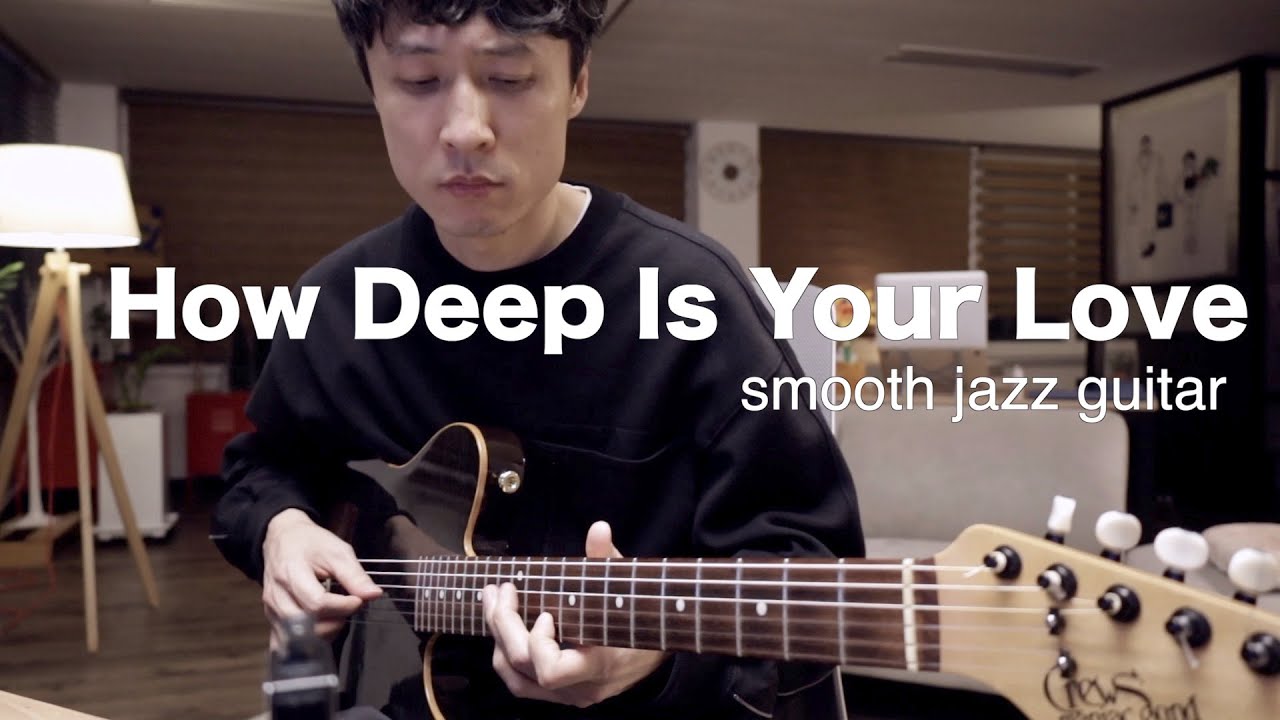
Sometimes we play it smooth jazz
Or NeoSoul style depending on the mood and audience
Or some R&B Funk Ballad vibe.
So when the drummer said " How deep is your Love". we’d all asked which version.