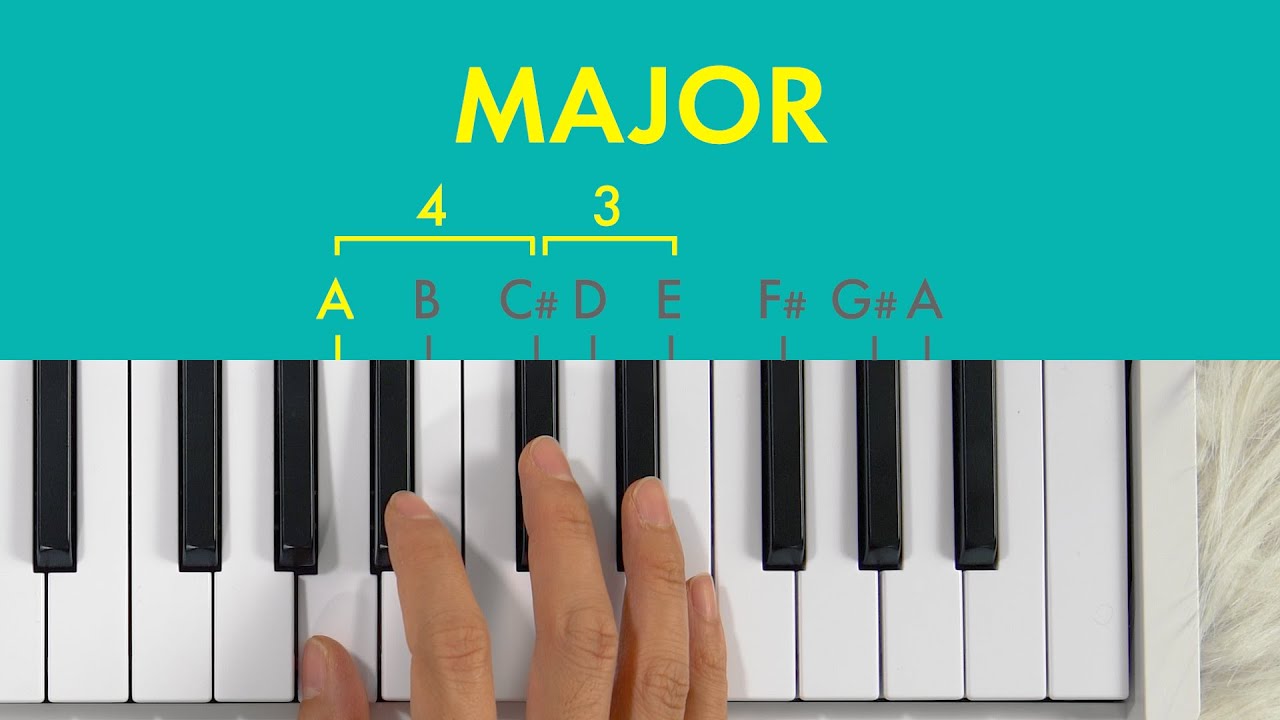
Checking out this video…
At 0:39, when he says that it’s kinda boring and can’t immediately be put into practice… that’s a red flag.
The theory you learn as a player (not someone trying to pass music school tests) should always be practical. I think that’s what Josh and BassBuzz do better than anyone.
At 3:30ish, where he’s talking about letter classes…. this is deep in the weeds of music grammar. I’d encourage more focus on playing tunes and learning as many songs and common chord progressions as possible (blues, recurring pop structures, etc).
Most of the professional musicians I play with don’t know anything about what the guy is talking about at this part of the video, and they do quite well for themselves.
They’d be terrible theory teachers or sheet-music transcribers, which is what this skill/knowledge is for.
I’m into minutes 4-5 now, and while he is explaining things well for the theory student, this information is super frustrating.
The way that we encounter intervals while playing bass is very distant from this approach. We see them in fingering patterns, and in scales that we play.
This abstact approach is very heady, but not at all in the hands and ears.
OK.
Scanned the next bits with the even weirder intervals… definitely ignore all of this.
No one in any band I’ve ever been in, at any studio session, or anywhere (outside of my classical music theory courses) has used augmented or diminished intervals.
Jass/Rock/Pop theory is not into this stuff, because it’s overly technical.
They usually simplify things, and have a different way to describe these intervals.
This would be like learning the King’s English and then trying to talk to normal people on the street. Most of them would look at you weird, and they wouldn’t really know what you’re talking about.
Here’s my flowchart for theory information on the internet.
-
Is this interesting to you?
If yes, keep going. If it’s not but you think you should know this, NO YOU SHOULDN’T. Go learn a song, or practice to a cool beat.
-
Does it make sense to you?
If yes, keep going.
If no, this is probably too deep down the theory well for your experience level / the teacher’s experience level / what you want to do on the instrument. Maybe go practice technique and scales for a bit.
-
Do you see any way to apply this to your instrument where you are now?
If yes, great.
If no, put a bookmark in there, and leave it alone. There is so much information out there, and none of it is more relevant that playing your instrument, learning songs, learning to play in time, and learning what your instrument does in the context of the music you like and want to play.
Music theory has a magical allure because of jargon, and it reeks of talent, knowledge, and secrets that will catapult you to the next level of playing.
It won’t.
It is super cool and interesting, and is fascinating. It is helpful for talking to other musicians who speak music jargon. It is helpful for making sure you are academically correct in the things you say/spell/write in music.
It can gradually and incrementally help you reach the next level when it is presented in applicable scenarios, with applicable, playable material and exercises.
I hope this helps, and that it helps future forumites to avoid spinning wheels.
Holler with any questions.

 ) and get the fundamentals down.