Honestly I would replace and rewire it all in a way that makes more sense to you. Control plate grounding has seemed marginal to me (it isn’t but it bugs me in an OCD-like way.)
2 Likes
Thanks! Google gives me conflicting iformation based on the serial number but at least the first part of this (below) seems correct. It’s from the late 90’s.
Google: The Yamaha RBX-264 was part of the Yamaha RBX series, which was updated in 1998 with a new body style. The entire RBX range was generally manufactured from the late 1980s until around the early 2000
Core Specifications
- Body: Usually constructed from Alder or Basswood.
- Neck: Bolt-on Maple with a satin finish for fast playability.
- Fingerboard: Rosewood with a 10" (250mm) radius.
- Frets: 24 frets (two-octave range), a key feature of the post-1998 redesign.
- Scale Length: Standard 34" (863.6 mm).
- Hardware: Often features a 3D headstock with a 2-a-side (2+2) tuner arrangement.
Electronics & Sound
- Pickups: Typically equipped with a single P-style (split-coil) pickup.
- Controls: Simple layout consisting of one Volume and one Tone control.
- Circuitry: While some higher-end RBX models were active, the 264 is often described as a passive “no-frills” instrument, though some variants may have included an active tone circuit for broader tonal range.
It’s got a poly finish.
1 Like
Great! Isopropanol should be safe, then. I like the neck radius as well.
3 Likes
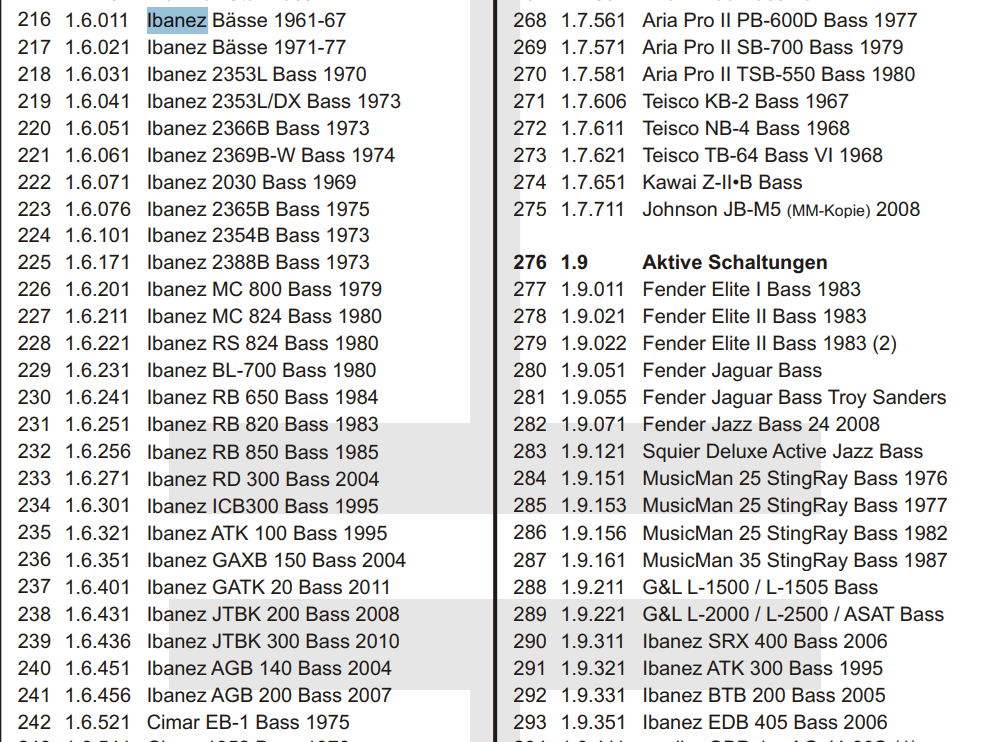
I love this!
Excellent resource! Vielen Dank.
1 Like
So I bought a neck
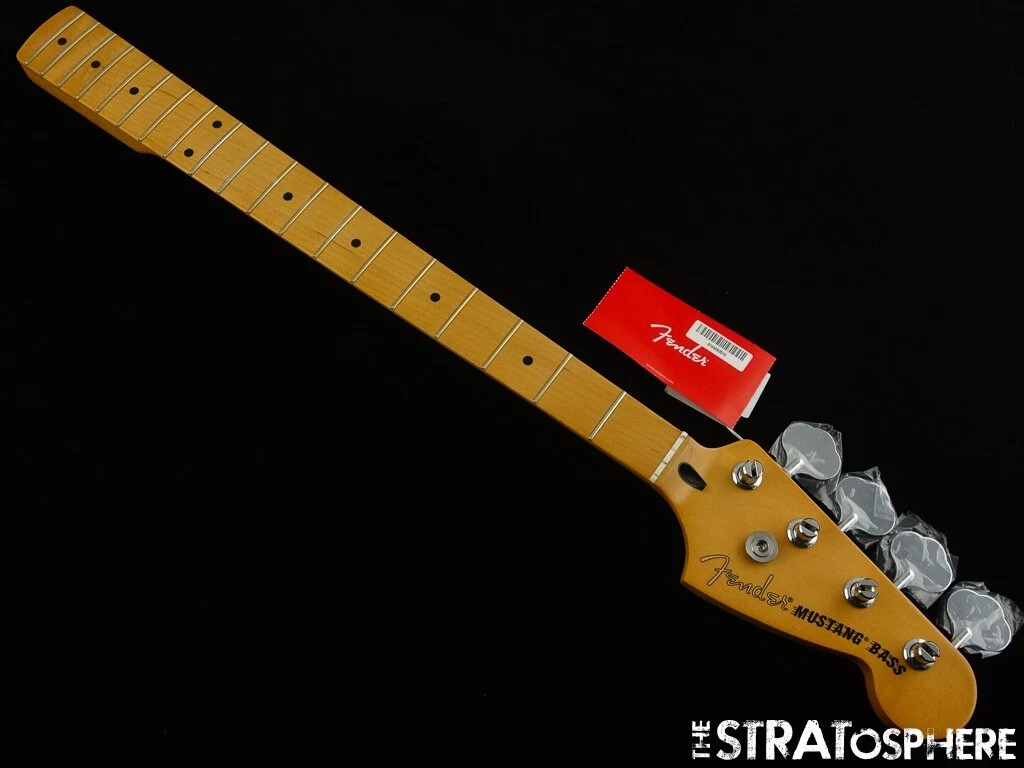
Some time ago, 2024, I wanted a 51 p bass but was restricted to short scale due to a torn ligament. They don’t make them in short scale.
I have a Squire 51p, and I thought I could get a short scale neck and put it on, move the bridge, and be good to go. Talked to a luthier about doing the work. Only problem, finding a mustang neck cheaper than a bass is not as easy as you might think.
So I found one, someone parted out a player mustang.
But times change and now I have a Bronco with a Fralin split 51. I still have the Squire. I also have a Nordstrand 51 pickup for the project.
Second option is to get a Vintera II body and mount the neck.
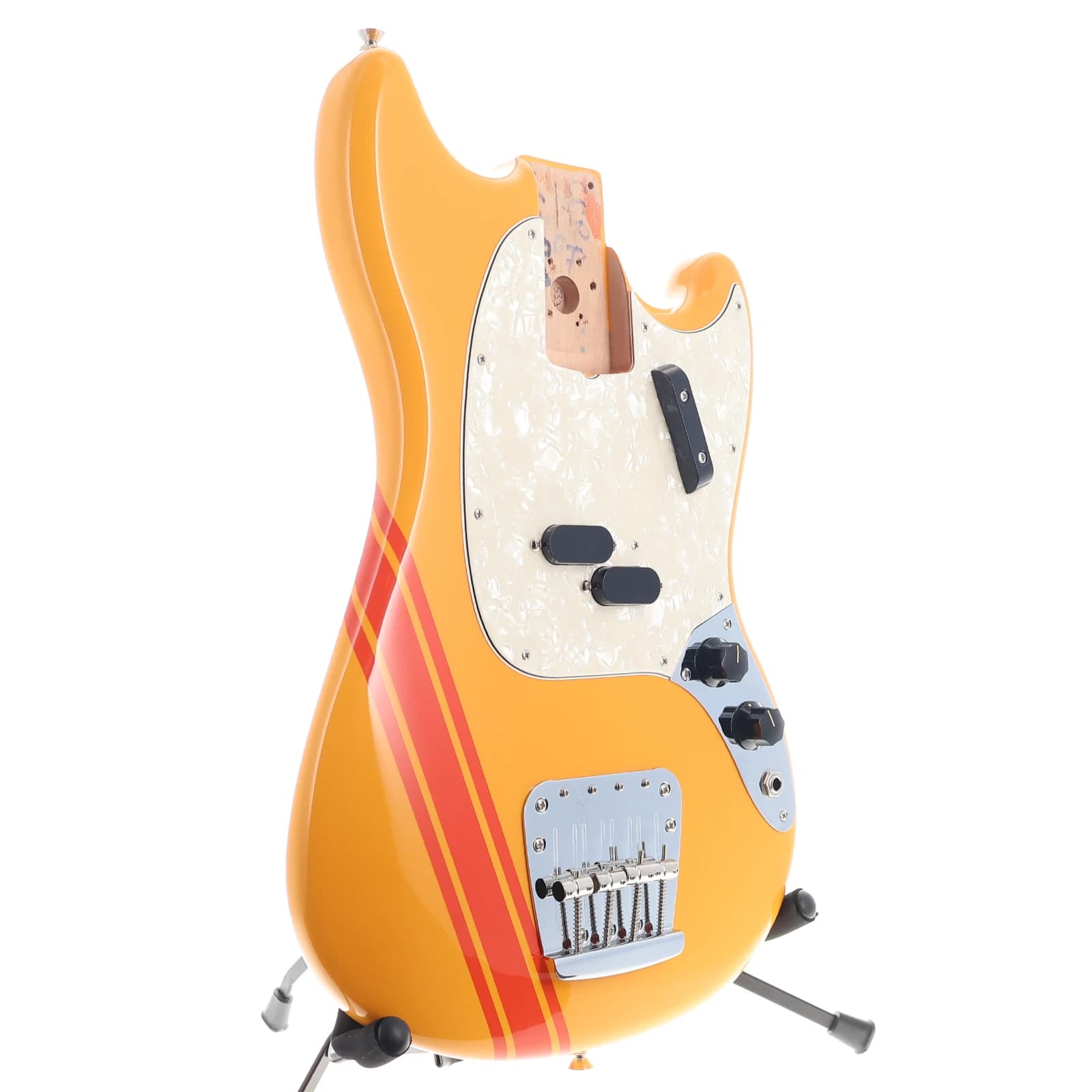
I would have a Vintera by now as they look cool, but they have the annoying feature of going too vintage and requiring the neck to be loosened to adjust the truss, and that is a non starter for me. But a player neck has the truss in the headstock.
And I have a Nordstrand mustang pickup I could repurpose, it same off my Pawn Shop Mustang when I restored it to original
And third is something different, get a mustang body and route it out to fit a Novak Bisonic pickup
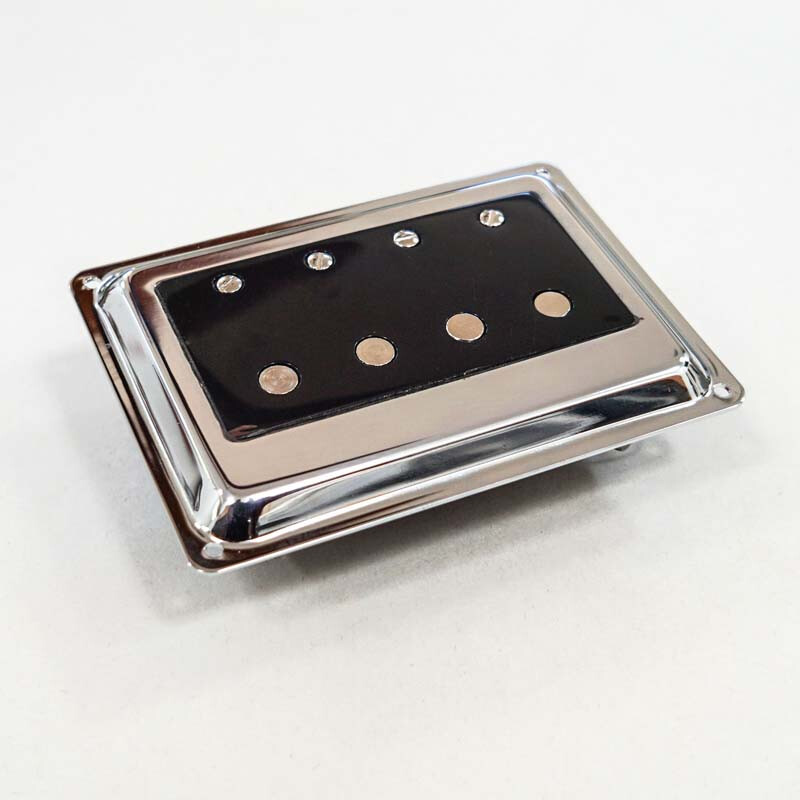
Which will add a new sound to my stable
Well, the neck will be here next week, I will see how it fits into the neck pocket of the Squire, and then I will make a decision for which route to take.
7 Likes
I envy you so much! My basses are perfect now (except my d@mn fretless). Nothing to mod. I feel empty 
And I have enough money to get a Reverend semi-hollow 30” now … which I would NEVER EVER mod!
1 Like
Ever thought of doing mods for other folk?
3 Likes
I was asked several times by bass players that played my modded Harley Bentons last summer.
But I really need some space and proper power tools for that … otherwise my girlfriend would leave me. And currently I’m not in the position to relocate.
But I do like the idea … a lot!
2 Likes
Well some decisions made. I have the neck, frets are a bit pokey. Will fix that easily enough.
For the body I picked up this
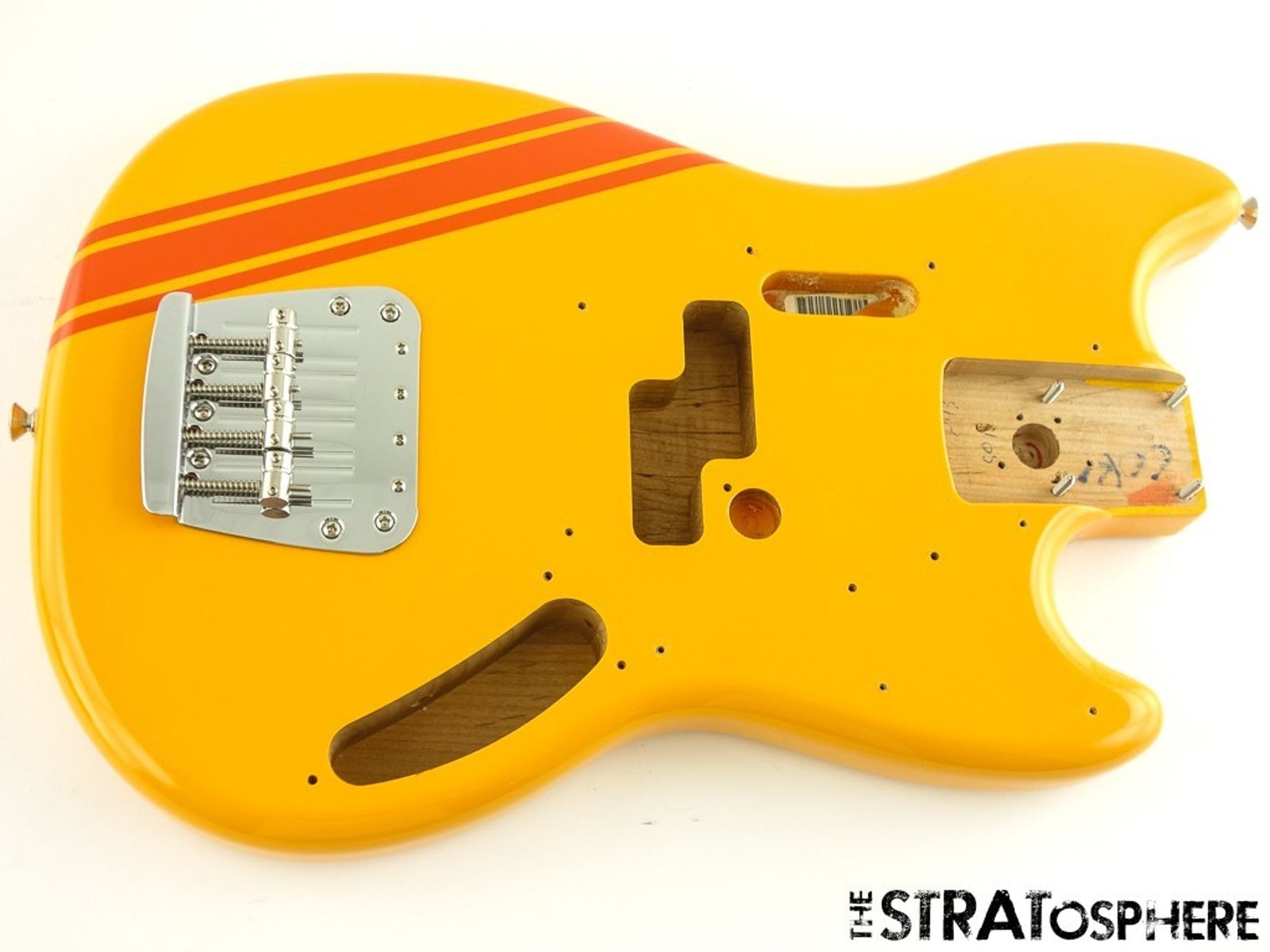
I always liked the look of the Vintera 2; but balked at the idiocy of having to loosen the neck to adjust the truss. With a Player neck, this won’t be an issue
When I bought the Pawn Shop Mustang, it had a Mustang split pickup in it. I put an “original” wide range humbucker back in from Novak, but I still have the original white pearloid pickguard with the pickup still in it.
The pickup I believe is a Nordstrand NM4. Nowhere does it say on the pickup, but it does have offset poles like this
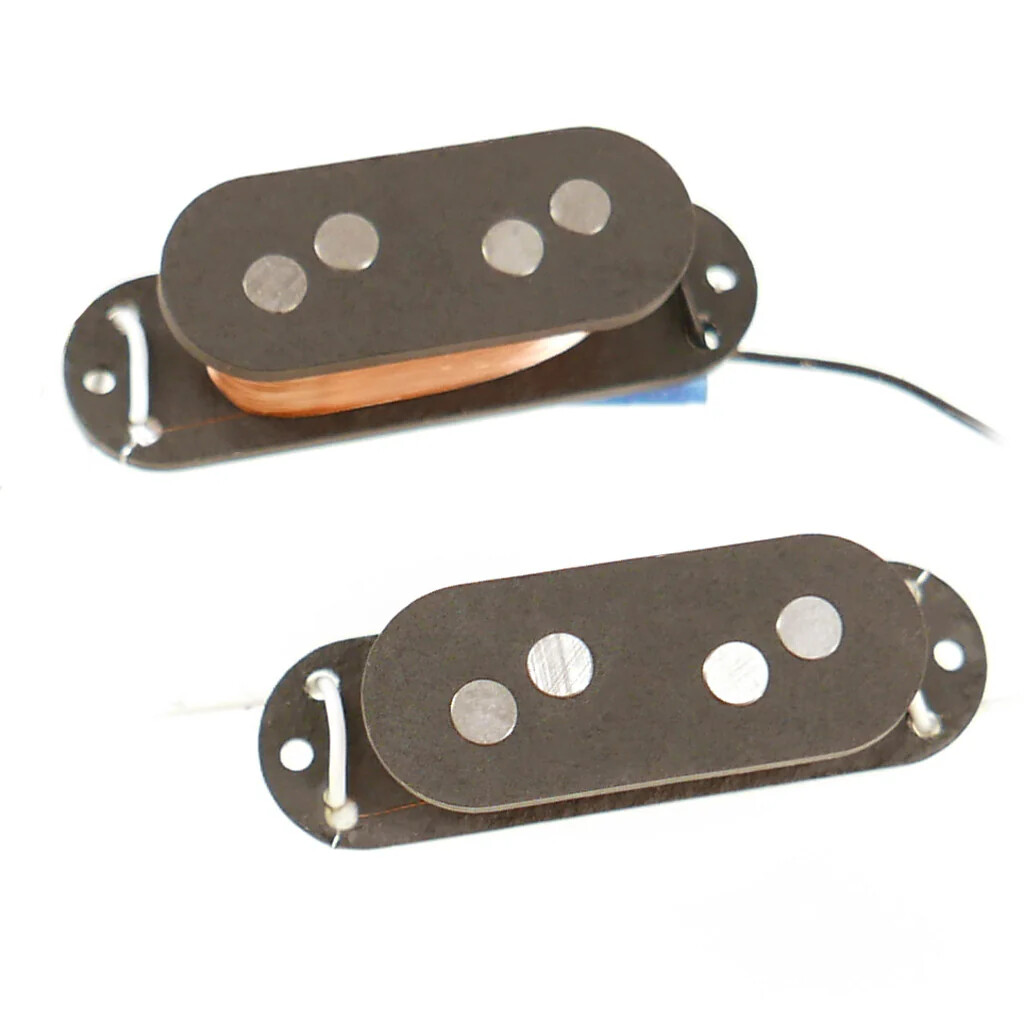
So I am pretty sure it’s what I have. It sounded so good when I got the pawn shop bass I almost didn’t switch.
I might just take the Novak out of the Squier, put the Nordy in, and sell the Squier.
Anyway, with the pearloid pickguard, I got this as the control plate
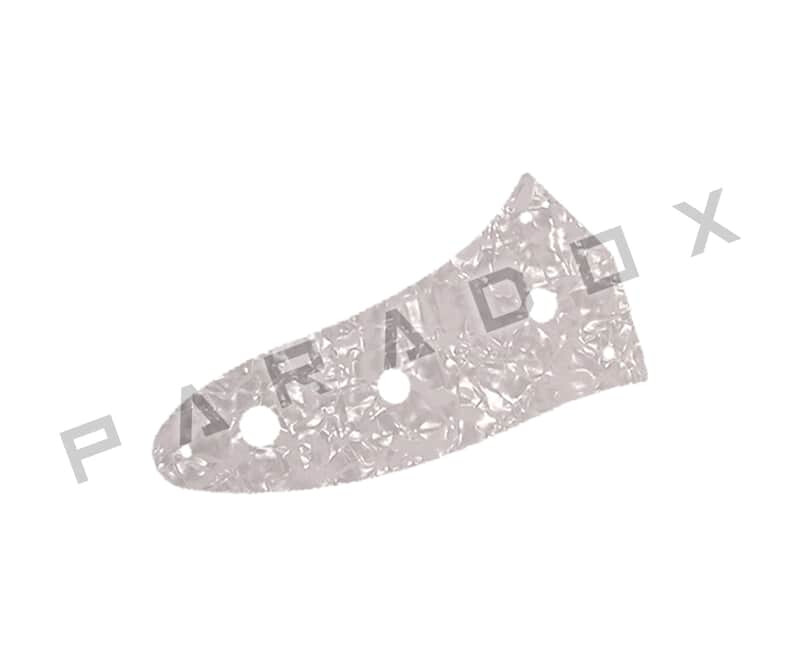
Not a fan of metal control plates on Mustangs and Jazz.
LaBella 760F-MUS strings of course.
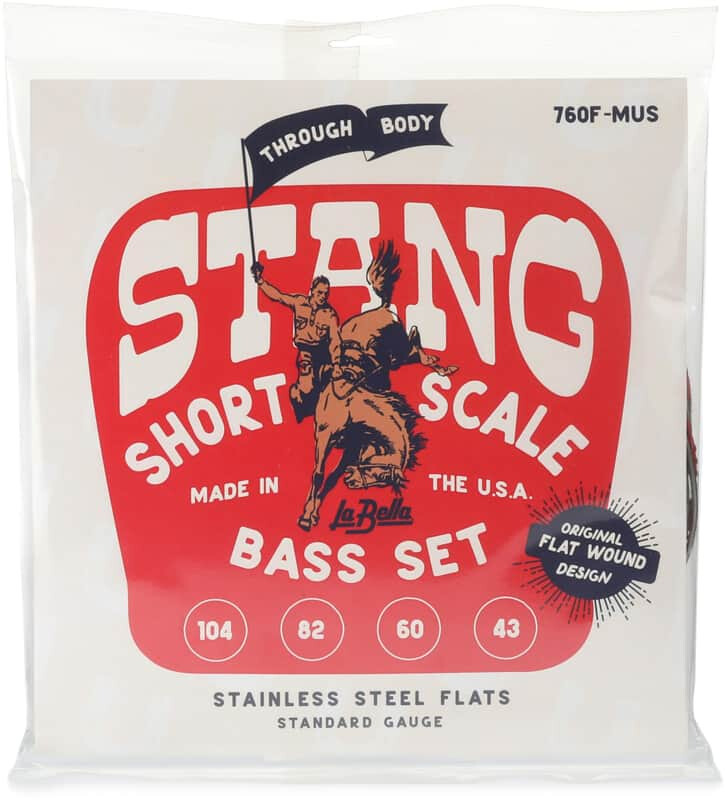
New packaging. Now I need screws for the pickguard.
Thinking of changing the tuners to Gotoh while the neck is detached.
That’s what I got
4 Likes
Excellent choice of pickup. I put that on my Traveler bass delicious mid.
3 Likes
I cannot unsee Church of the SubGenius here 
1 Like
I like these strings. I put a set on my Schecter Banshee a few years ago. The slightly smaller gauges reduces the tension a bit compared to the standard .045-.065-.085-.105 La Bella flats. Good playability.
1 Like
I think I have everything on order now. Another plus to using a Player mustang neck over the stock Vintera neck is the player has a 9.5" radius, which is better than the Vintera 7.5" radius. I only go so far into vintage. If only it was 12"
Pokey frats are fixed
So that project is on hold while stuff comes in.
Next project, replace the meh Bartolini pickups in my EHB1005sms with the new EMG E series. Somehow the release of these pickups escaped me. But I ran across them while researching my Mustang build. I never bonded with the Bartolinis, always wanted Nordstrands but EMGs are just as good. May be a couple months down the road
3 Likes
Nice. Did you file individually or do my favorite new trick, just let rolling the fretboard handle them too?
2 Likes
I filed individually. I was listening to a podcast and kept my hands busy. Although I’m not sure what your trick is.
2 Likes
Rolling the fretboard edge with a sanding block. Works nice for a nice rolled edge, and also rounds off all the fret ends. Then you just touch up with a dressing file.
Obviously the neck needs to be removed prior and you need to be comfortable taking a sanding block to the fretboard - practice on a cheap neck first.
I’ll have to try it. You can avoid issues by putting painters tape on the neck I bet.
It was surprisingly easy and the neck was never in danger; you’re essentially rounding the very edge of the fretboard off so you are never sanding completely flush, just back and forth starting at an angle, slightly rotating to round the corner over time.
Not exact but still worked fine for me.
1 Like