Bass strings “go dead” primarily because of metal fatigue, where the metal in the string loses its elasticity from repeated bending and stretching during playing, resulting in a loss of high-frequency overtones and a duller sound, along with the accumulation of dirt, grime, and skin oils from fingers that build up in the windings, further damping the vibrations and affecting the string’s resonance.
Key factors contributing to “dead” bass strings:
Wear and Tear:
Constant bending of the string against the frets creates microscopic wear and tear, causing uneven vibrations and a muted tone.
Dirt and Debris:
Skin oils and dirt from fingers build up on the string windings, hindering proper vibration.
Metal Fatigue:
Over time, the metal core of the string loses its elasticity, impacting its ability to vibrate freely and produce a bright sound.
Playing Style:
Aggressive playing with heavy hands can accelerate string wear and fatigue.
How to tell if your bass strings are “dead”:
Diminished brightness: Lack of high-end frequencies, sounding dull and muffled.
Poor sustain: Notes decay quickly after being played.
Visible wear: Signs of corrosion, discoloration, or fraying on the string windings.
To prolong the life of your bass strings:
Clean regularly: Wipe down your strings with a soft cloth after playing to remove dirt and oils.
Wash hands before playing: Ensure your hands are clean to minimize dirt transfer.
Use string cleaner: Consider using a dedicated string cleaning solution for a deeper clean.
Choose the right gauge: Select strings that match your playing style and the bass’s design.
Replace strings when needed: Don’t wait too long to change your strings once they start to sound dull.
Those gauges were chosen (according to the manufacturer) to provide a better balanced (even) tension over all 4 (or 5, 6) strings. By the way, while a 0.089 might seem like a wimpy E string, it doesn’t take away from its sound (IMHO).
There is a stylistic element/rhetorical element/figure of speech called “hyperbole”
“So ultimately, dirt, corrosion, and damaged windings cause aging, but it’s the special position of the interstices—and the dirt that interferes with their movements when vibrating—that explains high-frequency dampening.”
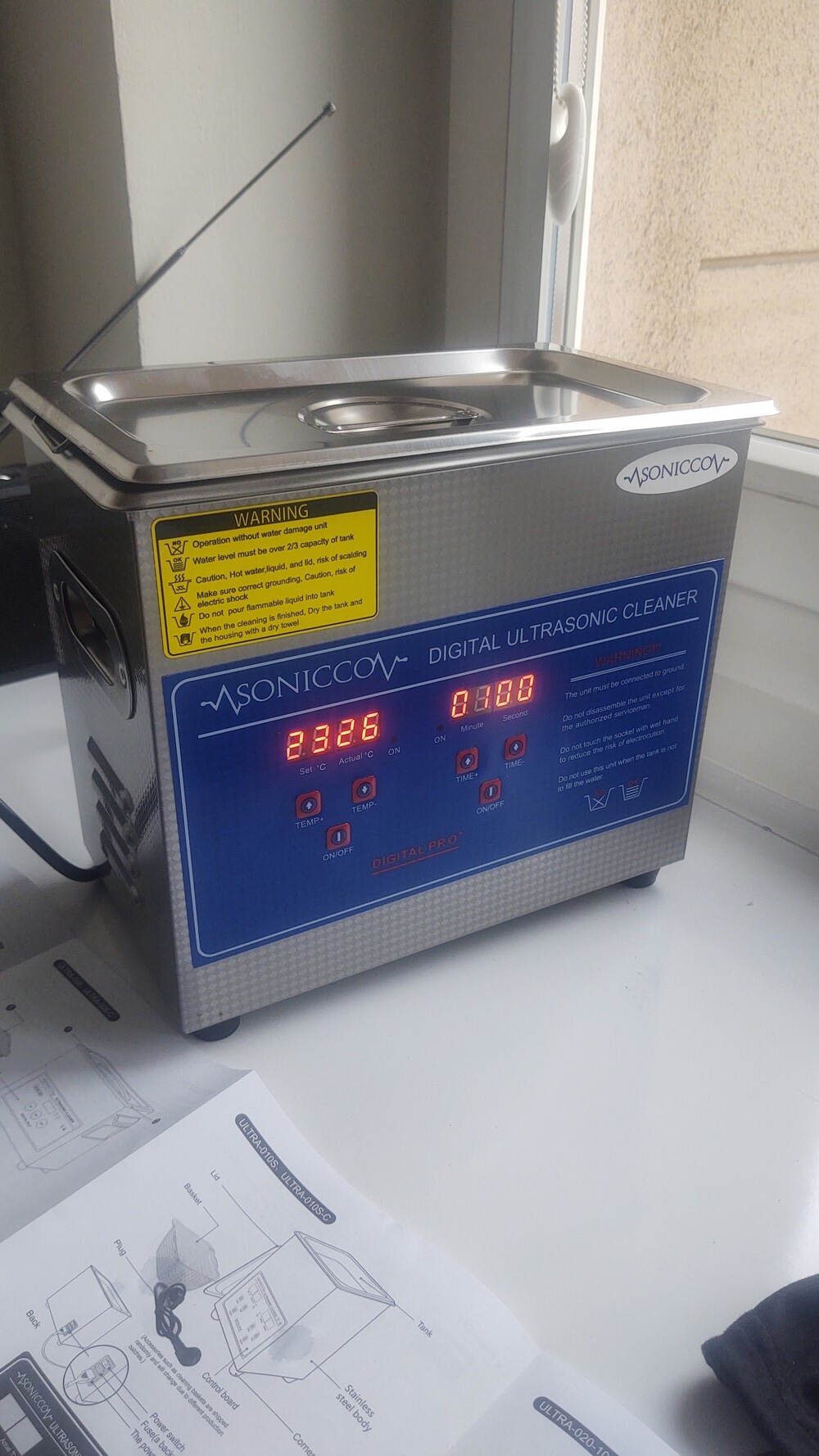
“The deluxe version of this approach is to use an ultrasonic cleaner filled with isopropyl alcohol, but it’s probably not worth investing in one of these devices unless you have other uses for it.”
“You can clean a set of strings more than once with any of these treatments, but at some point, you’ll have to invest in the real thing—new strings! Even though these treatments can bring back a lot of the old freshness, no cleaning will completely restore the zingy treble of virgin strings.”
Wiping down the strings or using a cleaner is something we should all be doing by force of habit. But simply playing the bass will continue to create wear that no amount of cleaning will repair. The more we play the faster strings wear out.
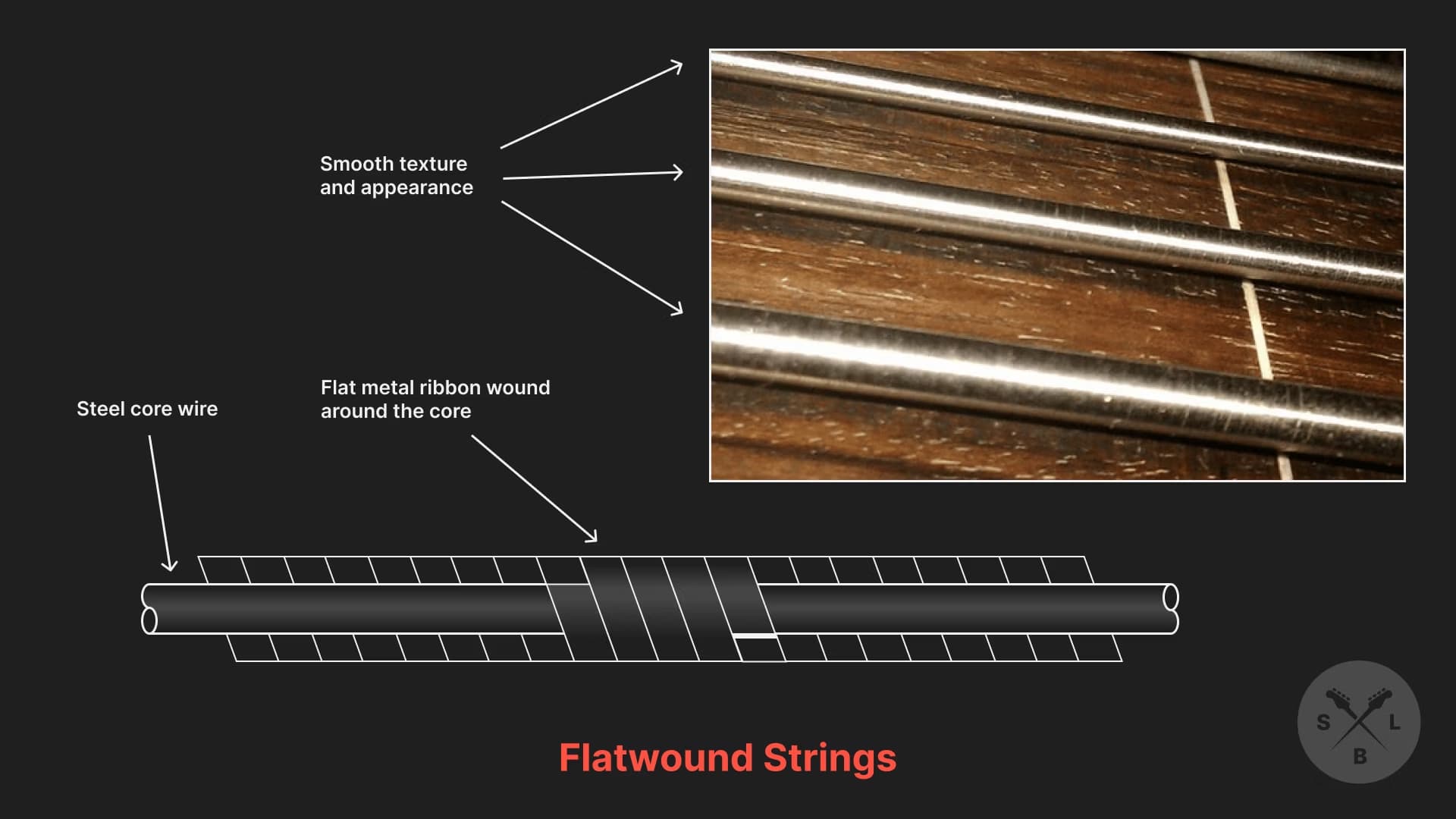
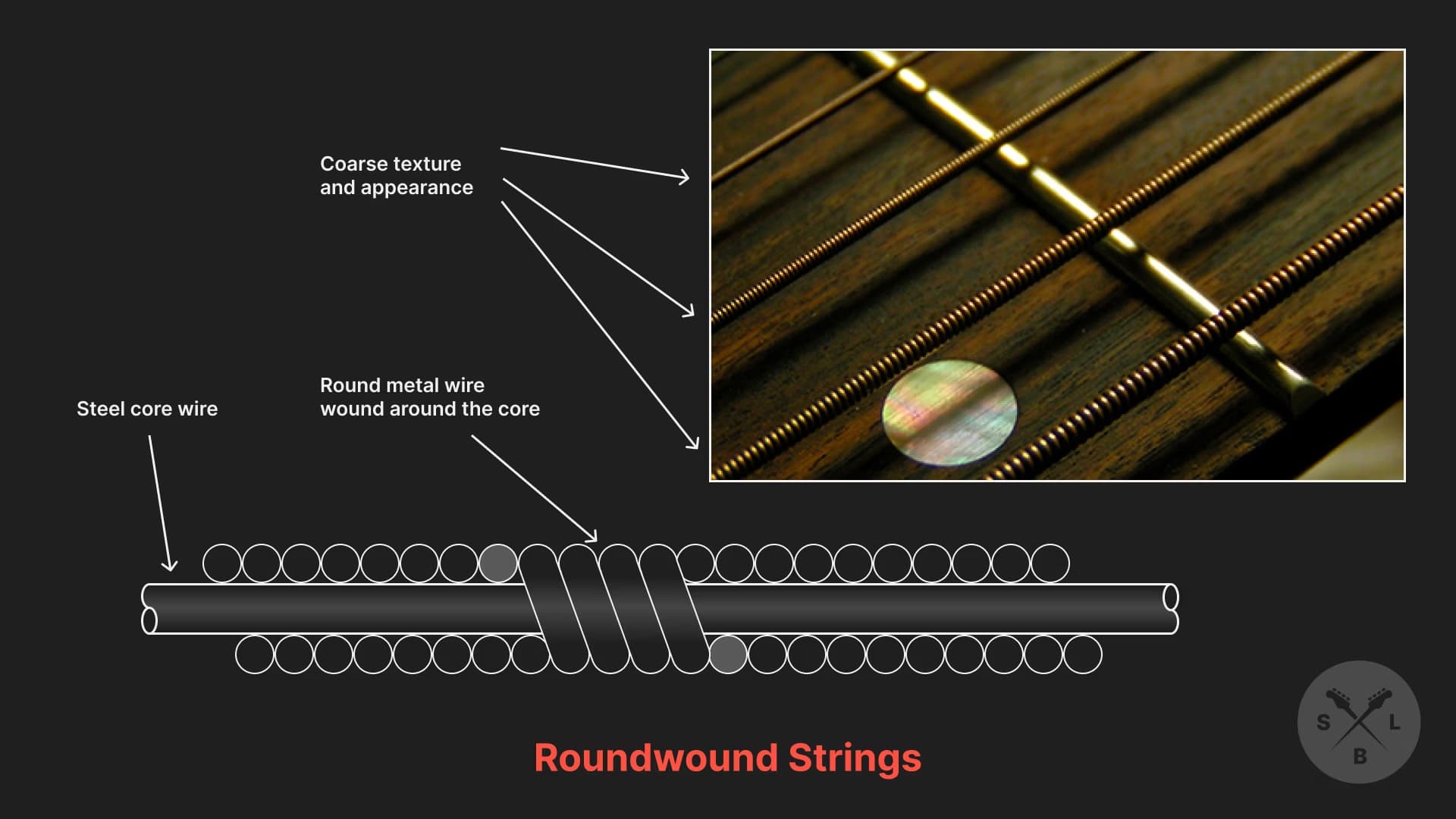
The brighter and/or harmonically rich the string the faster it tends to lose those properties and needs to be replaced. Mellower round wounds and flat wounds will last longer along with coated strings if you enjoy those. But over time they’ll all need to be replaced. Even flat wounds.
Strings are consumables. You can clean gunk off of them, but no amount of cleaning will counteract metal fatigue. That is the ultimately fatal result of fretting, bending, tuning and generally playing strings. It is what it is.
Sorta tangentially related, I’m looking to get my Les Paul back into playing shape so I can work on chords in case I pick up my bass vi sooner rather than later. Reading reviews of some Elixirs, they mention that the $15 price for a set is expensive and I just about snarfed tea all over my keyboard laughing at that as a bass player.
Yeah but then guitar strings typically need to be replaced more often than bass string so over time it can often work out to be nearly equal. Coated strings survive the dirt and gunk build up thing better but not the usage factor that wears them out especially from aggressive play and a whole lot of bending notes.
What’s more convenient is that we can buy them in larger quantities to cut our costs or periodically manufacturers like D’Addario will put them on sale at a very deep discount. That’s when I try to stock up on them but I never stock up on bass strings. I can get a year or more out of my Pressurewounds now that I play less frequently. My LaBella Flats are over 10 years new. Thud is still thud old or new. LOL
I debated getting some flats for it. I’ll probably do that on the vi but decided to have a little fun and try some Elixirs. I’ve been wanting to try their bass strings out so I figured this might give me some idea of what to expect. At least for the 4 wound strings.
In B2B lessons, I believe Josh has Elixirs on his Cirrus. They sound pretty bright.
I had a few sets of Elixirs on my acoustic guitars. They were OK, but I changed them for uncoated Phosphor Bronze. Elixirs just didn’t ring as brightly as PBs.