Noob questions… What makes a bass “beginner” or “advanced” model?
3 Likes
Nothing really. A beginner bass is often a somewhat cheaper, decent quality bass, but you can play the same instrument being advanced or even as a professional.
The important thing is having a good quality instrument that you like to pick up and play 
5 Likes
It’s more “entry level” in terms of pricing.
Beginners also often prefer thinner, less chunky necks (i.e. 38mm nut width like a J-bass rather than 41 like an older P-bass), but really, that’s personal preference.
4 Likes
Quality/materials = pricing low enough to get you to sit at the table.
3 Likes
Your wallet
5 Likes
Thanks everyone- what I meant more specifically was, what kind of differences you find- obviously, pricing and materials, but how would you describe the impact of these differences as they are experienced by the player?
For the beginner - nothing. Because you don’t know what you don’t know yet. You don’t know what you really like, what features, tones, neck profile, tuners, pickup config, etc. So why spend $$ until you do?
That said, there is what I would call a sub-standard entry level, which you should stay away from as they will have things that will impede your progress or get in the way of intonation, buzzing of frets, etc. Josh’s video on beginner gear, and many threads here will detail this. Stick wtih known names with reputations vs. Temu or Wal-Mart at Christmas instruments.
6 Likes
The player
This is the legendary Abe Laboriel playing on a “beginner” Yamaha TRBX 305 so I can say without hesitation, it’s not the fiddle, 
4 Likes
Issues I would consider when searching for a first (beginner) bass:
Cost (nowadays, there are some very good basses under $300)
Weight (try to stay at or below 8 lbs)
Finish of the neck (is it smooth and fast, or kind of sticky)
Balance (too much neck dive is hard to manage)
Hardware (will it hold a setup and stay in tune)
I agree with @Al1885 and others that there are some very inexpensive basses that are great players. There are also some very inexpensive basses that are terrible. So, the simplest test: does it feel good in your hands, stay in tune and hold a setup?
6 Likes
I can say as a beginner bassist myself, I own a 2021 Lakland 44-64 Custom PJ and I bought myself a Squire Bronco short scale, just to “fun around” on.
The Squire surprised me with the quality (in a good way). I added a new pickup (~$90, the whole guitar was $190 new, on sale), and it makes me smile to play it.
But, when I pick up my PJ, “Penny J.”, she lets me know she’s the one. The tone is completely different. The feel of the neck is totally different. As she should - she’s a totally different bass.
I play roundwounds on the Bronco and fancy flatwounds on Penny J.
I still smile when I play the Bronco, though. It’s a nice diversion.
Play what makes you smile.
6 Likes
Most gig musicians use MIM Fenders or Squiers on the job. I don’t take my expensive basses on any gigs unless I’m showing them off. The favorite usually a Mod Squier bass of choice.
6 Likes
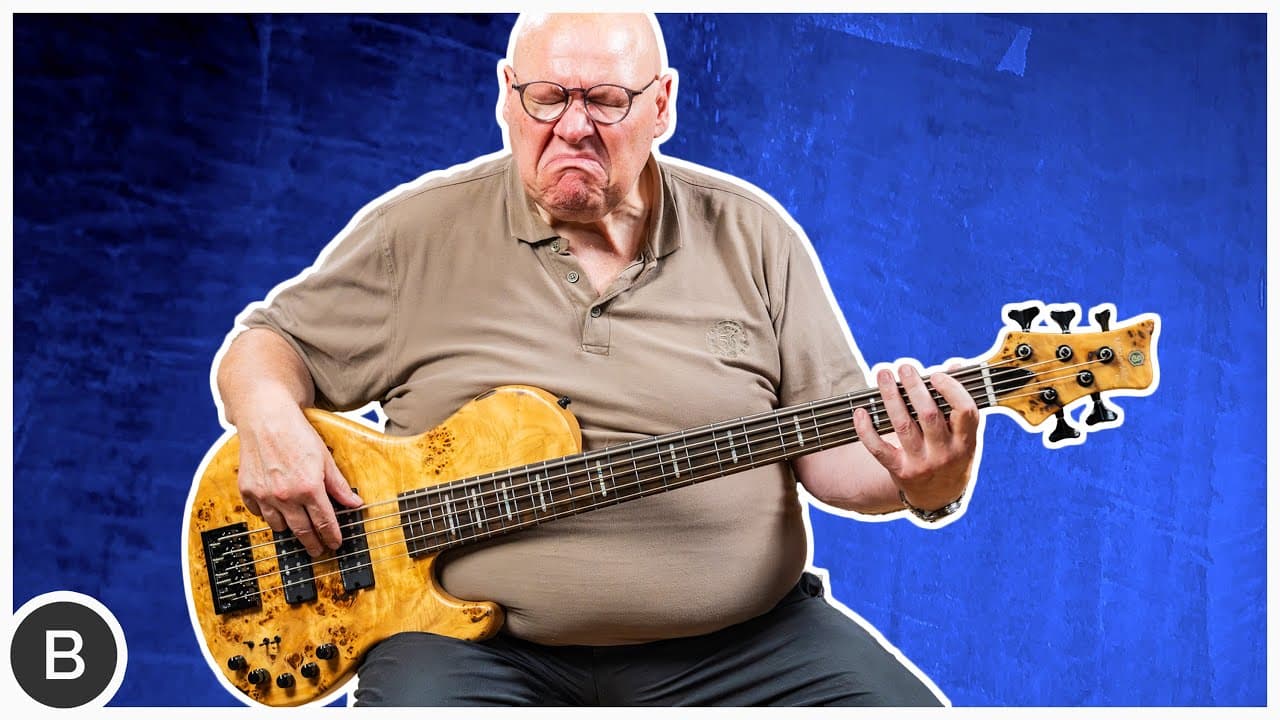
A lot of responses here seem to be avoiding the literal production differences. “Beginner” instruments tend to go for the cheapest viable parts, usually through mass production techniques that require less manual labor. They also tend to skimp on the finish. A really common example of this with Bass and Guitar is how rough the edges of frets (and a little less noticeably, uneven frets). Someone else pointed this out already, but they often ship with a bad setup. There’s also a difference in parts, often the difference between a no-name part and some boutique thing that (sometimes) has benefits. Start looking at listings and you should start seeing differences in pickups, bridge mechanisms, fancy tuning tools, and even better nuts. None of this is really necessary, but there are a lot of quality of life features that will really only appeal to players beyond the beginner phase.
Being expensive or “advanced” is not necessarily better. I’ve heard a few stories on the SBL podcast where they’ve ran into situations where cheaper instruments were better for what was being recorded. One of the guys had this insane trial by fire jazz gig on a cruise ship (he did not know what he was signing up for) and ended up removing strings from his instrument just to simplify things as he was learning. Also, there’s no guarantee that paying more actually gets you a better instrument.
If you’re curious about the manufacturing of instruments there’s a nice little video on Cort guitars here: https://www.youtube.com/watch?v=-ztqNMaZ9mE
Finally, there can be some very real differences between beginner and advanced instruments. If you’re looking at typical concert band instruments a lot of the beginner ones are also designed to be a bit more durable and a little easier to play. An example of this would be closed vs open hole flutes, the latter requiring a bit more skill to play and is typically only seen starting in the intermediate grade.
2 Likes
Sadly these rules are not hard and fast and vary from instrument type to type.
There are more tiers we are not really distinguishing well here
- Total crap not worth your time
- Beginner
- Intermediate
- Pro
IMO 0 is the thing that gets bought and used only a couple times and won’t last a year or two of serious practice. I bought a curved soprano sax in this camp from china just to see played out of box, however, you could never get it overhauled and it wouldn’t hold the original overhaul and no tech would work on it
The world of bass is a bit more forgiving, but, there is still this junk level - I consider Glarry and the like on this level
Level 1 - the rub here is this is a very wide range from meh to really decent. My Squier CV 70s jazz is a beginner instrument and honestly could be used as a pro instrument forever as is when I bought it. Still have it, have upgraded the heck out of it but neck and body are great.
Level 2 - this is not seen much in bass meaning not really marketed, but is in other instruments. Esp woodwinds, brass and strings - why? - school/university - they market player progression to instruments, but honestly the best advise is to skip this level.
Level 3 - here’s the dirty secret. There are beginner level basses that can stand toe to to or better than pro level. There’s a lot of marketing hokum here. Materials, design, visuals, components. The marketeers need something to do after all. However, most at this level have higher material, component and QC standards. But again, VARIES a ton.
the name of the game is Price Point - and what focus group cohorts (beginners, students, college kids/parents, etc) tell marketeers they are willing to pay for the use case - and then the company backs into a design that fits that price point.
3 Likes
Another thing that most people don’t get (but Al alluded to) is that you don’t need a super expensive instrument to play live. You could easily gig with a Squier CV or Yamaha TRBX - in fact they would be good choices. Live acoustics suck and generally you’re not going to gain anything from tone winesnobbing for a live set. Plus the sound guy is going to EQ you to what sounds good to him anyway. Literally almost any bass will do for most venues.
Gear that gets lugged around for playing live gets beat up/stolen/etc. There’s a reason pros tour with functional, solid yet working class instruments.
One thing I would do as a beginner is look for manufacturers that deliver solid value for the price in their mid to low price point instruments. Yamaha, Sire, Ibanez, higher end Squiers (way more than low end Fenders), some Harley Bentons, etc.
Actually probably in about that order 
8 Likes
I’ve wondered a bit about this lately… are Paranormals considered higher end Squier or is it really just the Classic VIbe line?
1 Like
I would consider them higher end yes.
1 Like
Excellent… the Squier offset Telecaster is a Paranormal. Real tempting at $400. That might be a fun one to use as an upgrade platform. Pickups, throw a bridge on with a trem, locking tuners…
2 Likes
Everything sounds great except the trem. Hardtail 4 eva
Locking tuners are my favorite upgrade for guitars because changing strings is like 10x faster. I wish basses had them.
2 Likes
I have two low end basses. A Squire Sonic P bass I got on sale for $170 and a Sterling Sub4 I got on sale for $270. On my P bass the nut was way too high and needed to be filed down, but other than that both were great out of the box. Neither one feels like the instrument is holding me back. I’m sure Josh or Gio or any number of you advanced players here could play the hell out of them.
One thing I have noticed in the Sub 4 especially is quality inconsistencies. My daughter takes guitar lessons at guitar center so I use that time to play in the bass room. I have found some of the Sub 4 have terrible frets that stick out past the fretboard and are sharp as hell. Would be a nightmare to play without getting that fixed.
So if you’re going with a low end bass, hopefully you can buy it in person and check the specific bass you are buying.
2 Likes