I bought this one recently, I think I paid more than the current $17 but it has enough decimal places to measure guitar strings where my previous one like the one posted could not. It also does godless fractions which turned out mostly useless for me when I was getting things in xxx/128
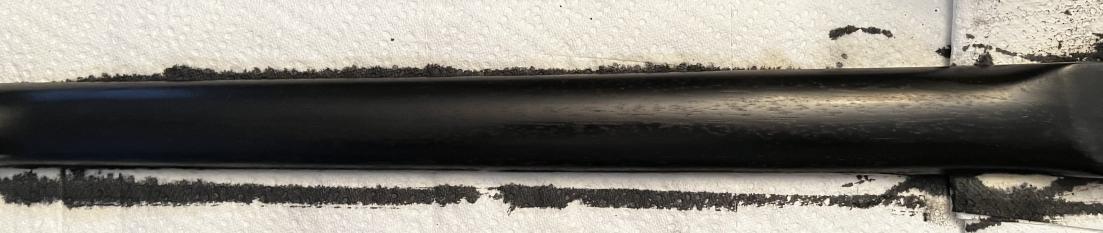
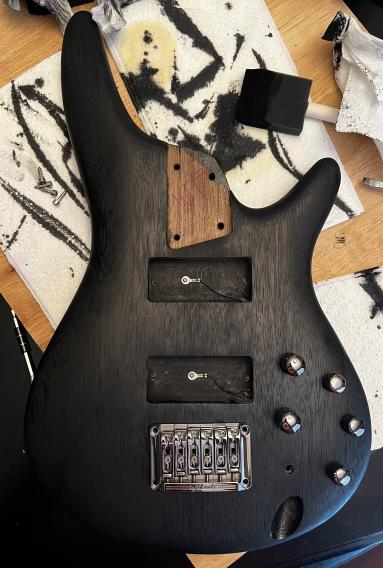
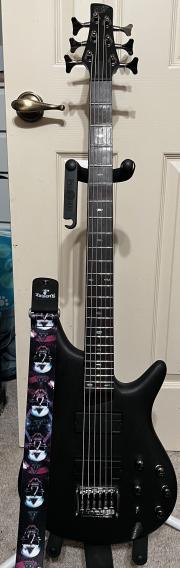
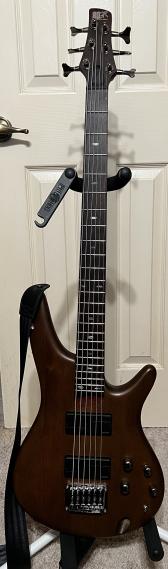
Now this is the black I was going after. Third pretty thick coat of the Minwax True Black semitransparent stain:
I’ve since done a little “buffing” with a paper towel, including revealing the side dots on the fretboard
Put another coat on the front of the headstock, and did the front of the body again. I may hit the area on the back around the ferrules again once it dries
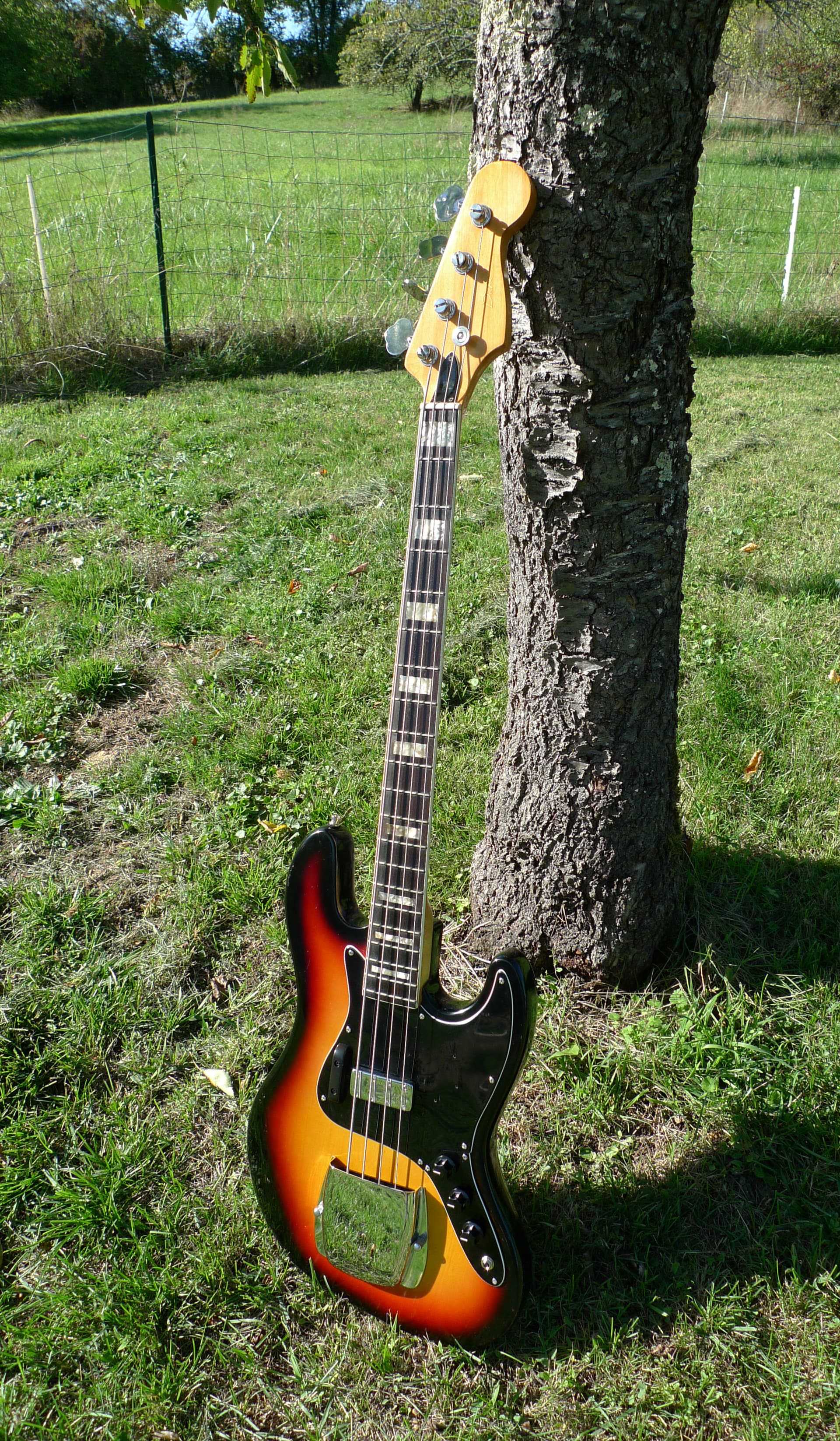
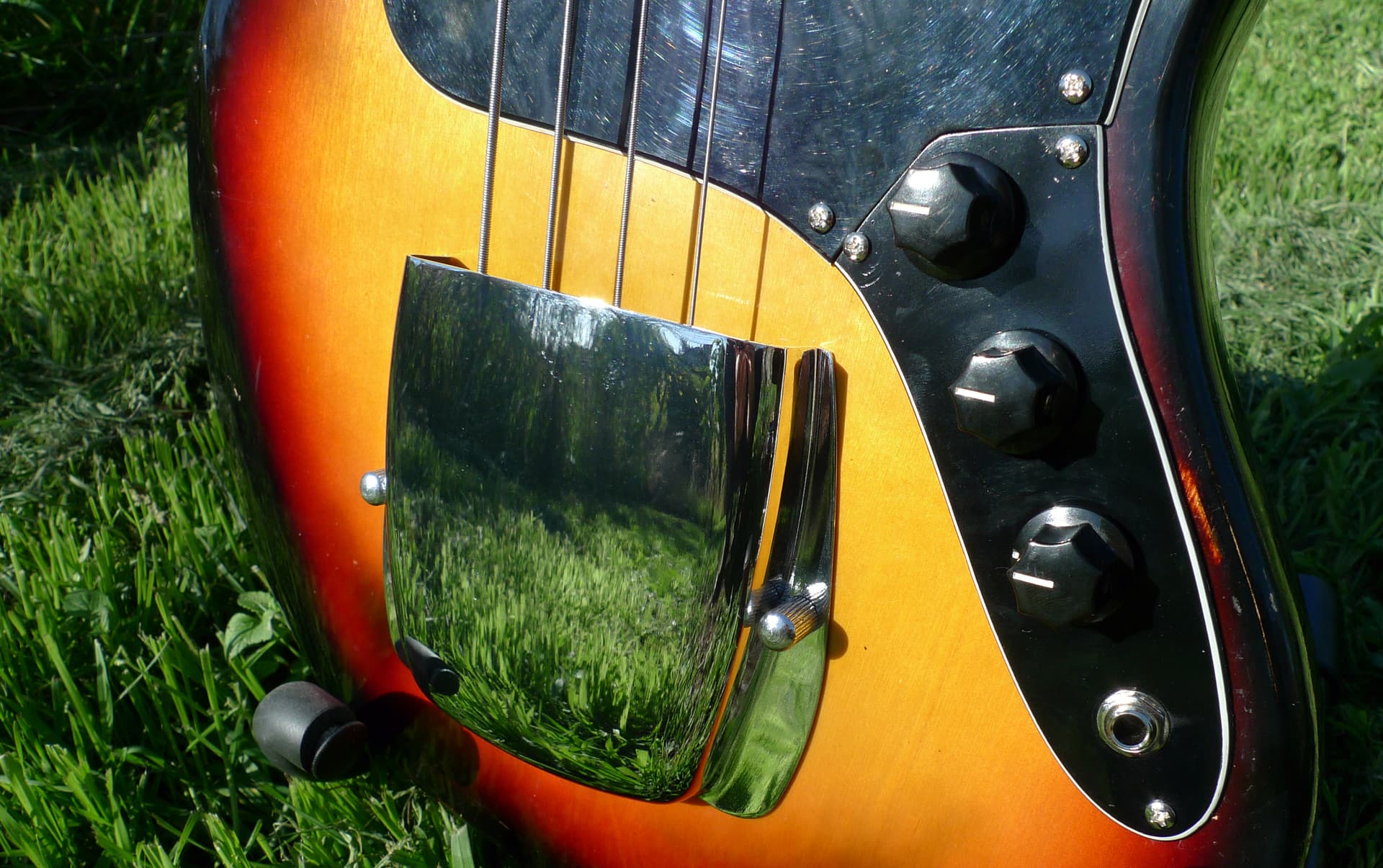
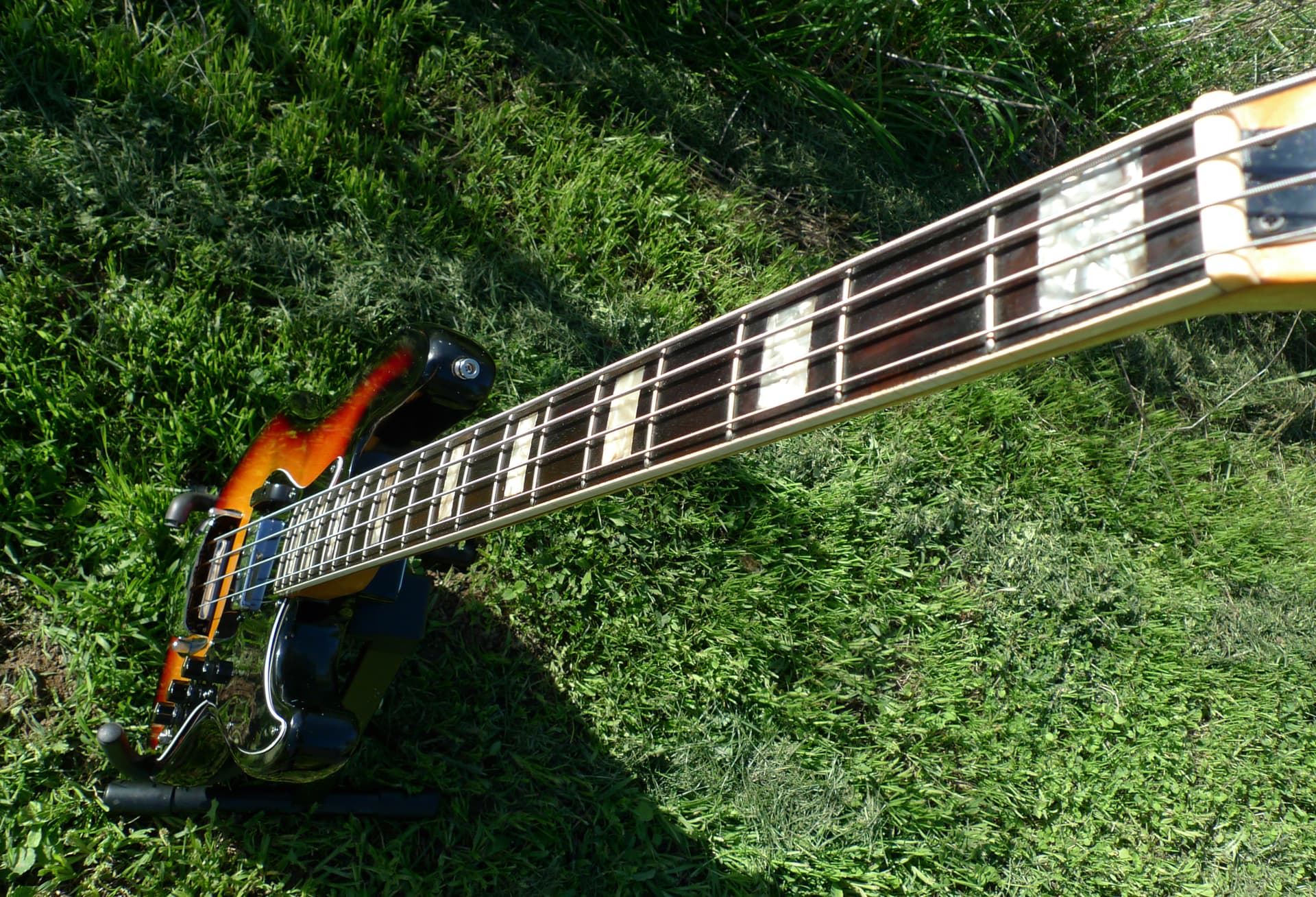
The lawsuit Jazz Bass is finished ! except the setup that is not 100% perfect for now, but the bass is still really playable. It sounds really good, at least on the neck pickup : it’s very fat and very … vintage.
Not sure if I will leave the 250k pots or change for 500k ones ; I will play the bass as is for now and I’ll decide later.
Satin rub-on poly would be a good choice, matte may have a texture that’s a little too rough on a bass body.
Matte clearcoat also has a problem in that if you put in on unevenly, and they do sometimes like to chunk up, there’s nobbut sandin’ 'er doon left. Can’t buff it out or anything.
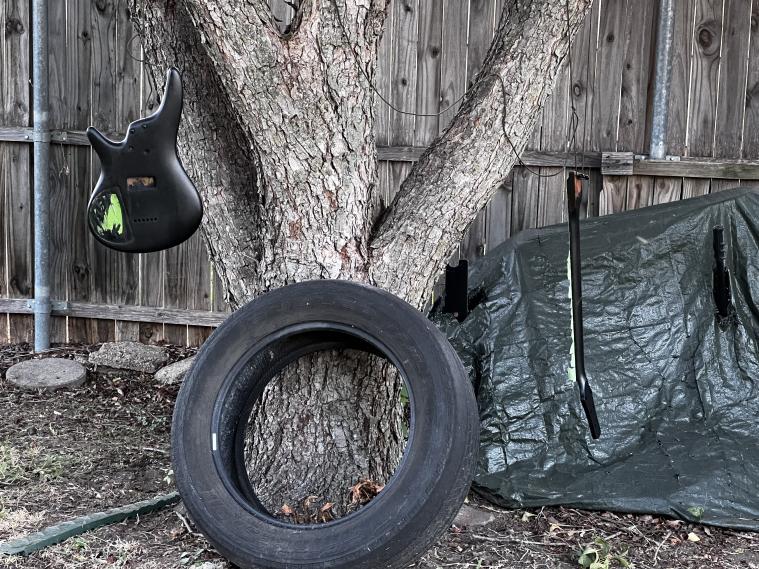
Clearcoat of any type I would always spray. You can also dilute it a bit and use more coats if you have an air sprayer (or v. large airbrush). But really, spray cans are fine.
I stayed up entirely too late and it fought me every step of the gd miserable way, and the electronics need reworking (bridge is quite, noise in the blend pot…)
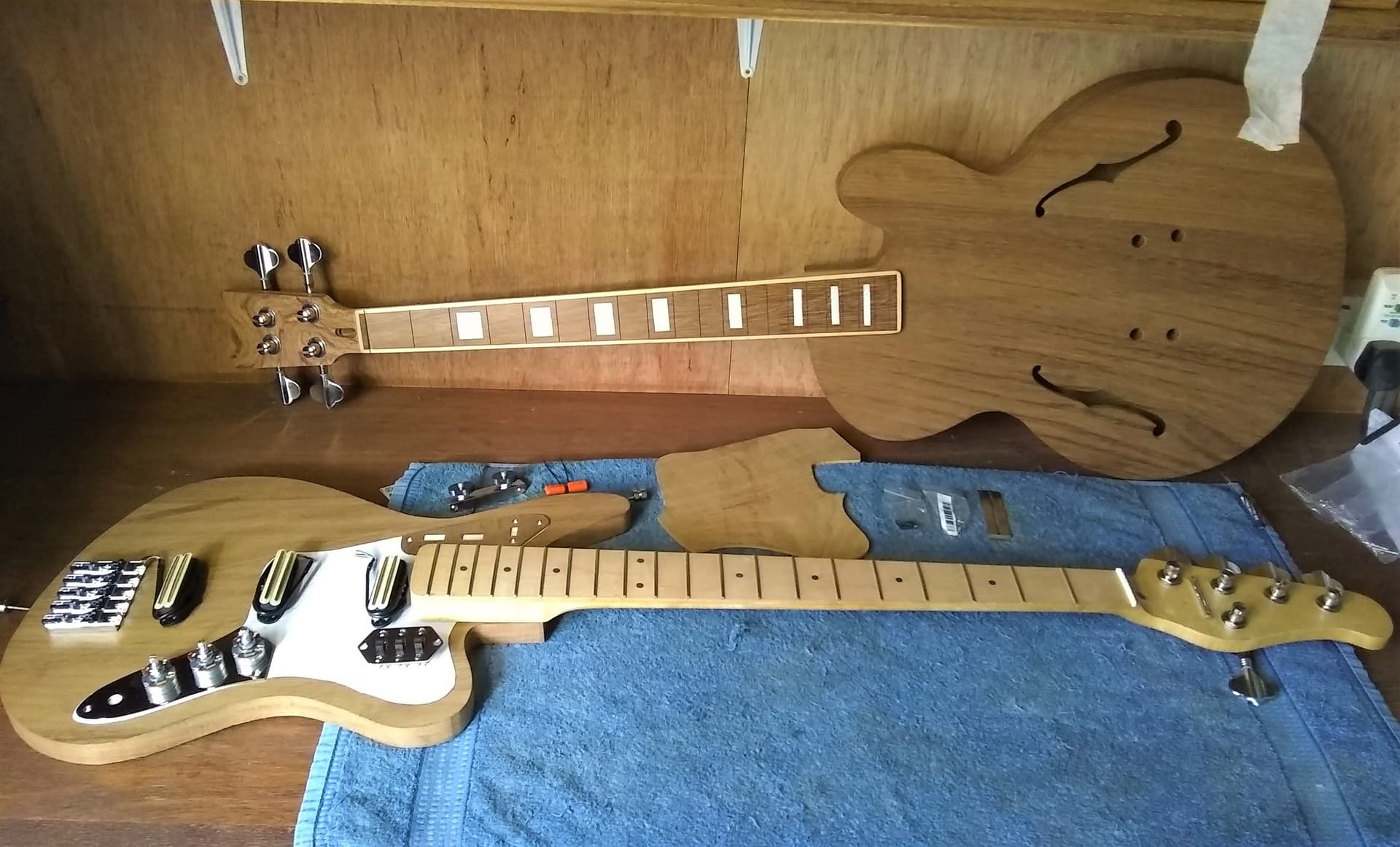
The last dregs from in an ebay ‘lucky dip‘ box of guitar parts I bought in 2020 has been occupying my time recently. I have made nine basses using about half the parts in the box, a quarter was junk, and the last quarter was put back on ebay. It turns out you can sell two expensive clover leaf tuners for about the same price as nine cheap clover leaf tuners. So, my attempts to clear out rubbish have actually generated parts for two entire basses, although I have had to trade some guitar repair work for some neck sized lumps of Maple.
I have been intrigued by the Fender Bass VI / Jaguar / Jazz Master for a couple of months, largely because a friend gave me the chromed control plates that he bought in the 1990’s when he intended to convert a guitar (they were still beautifully preserved in sealed plastic bags).
Two weeks of evenings have generated two necks.
For a hollow Gretsch-a-like : don’t put too may stripes in the neck blank, and be very, very careful when gluing the heel on an overly stripey neck, or you get this when you finish shaping the neck:
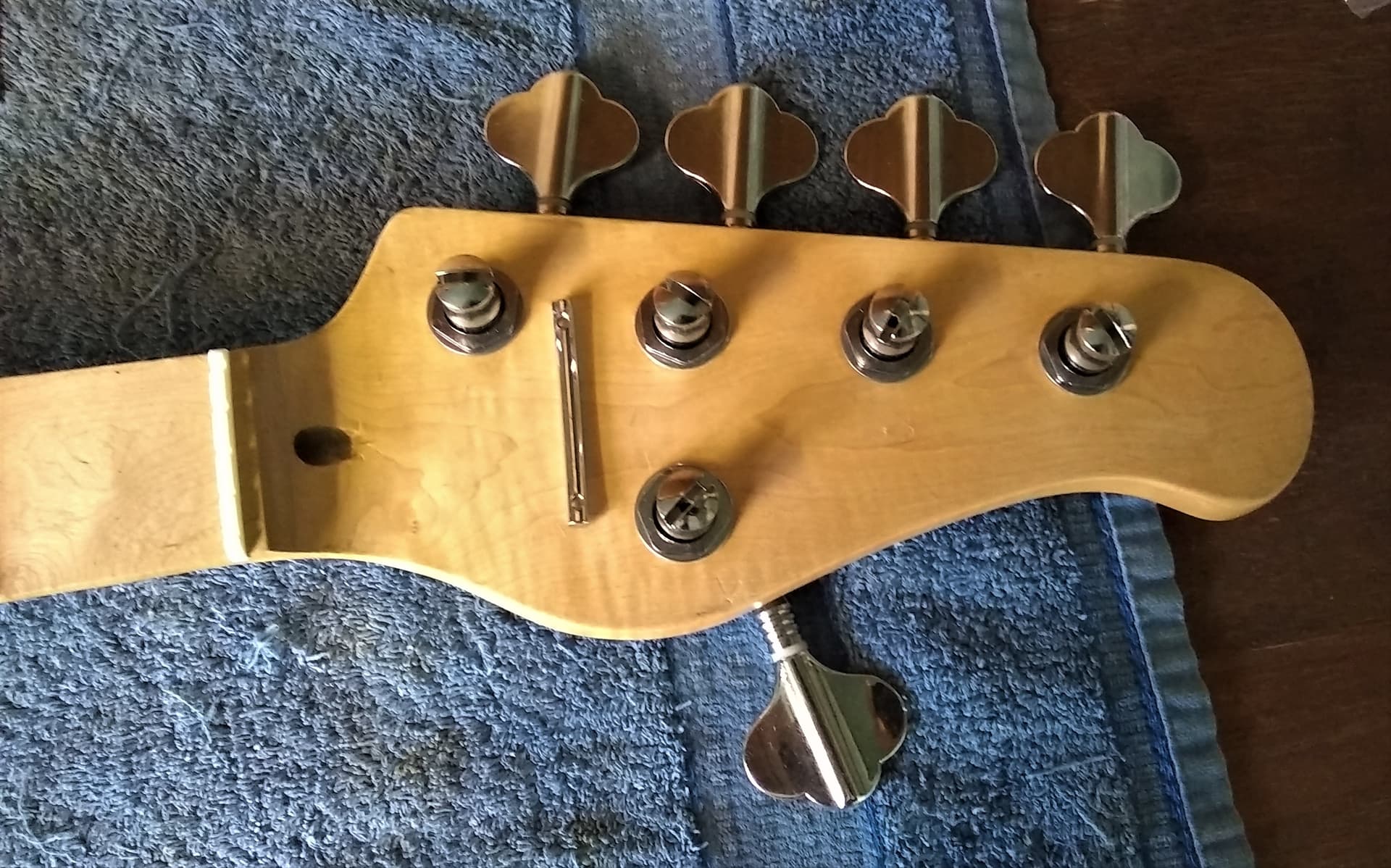
For a Franken-Jazz : a 34” scale maple neck and fretboard for a 5 string. I know there are those who advocate for 35” scale B strings but I watched Scott Devine enthuse about a 31” scale 6 string, so I added two carbon fibre bars to stiffen up the neck (I can’t tell any difference though).
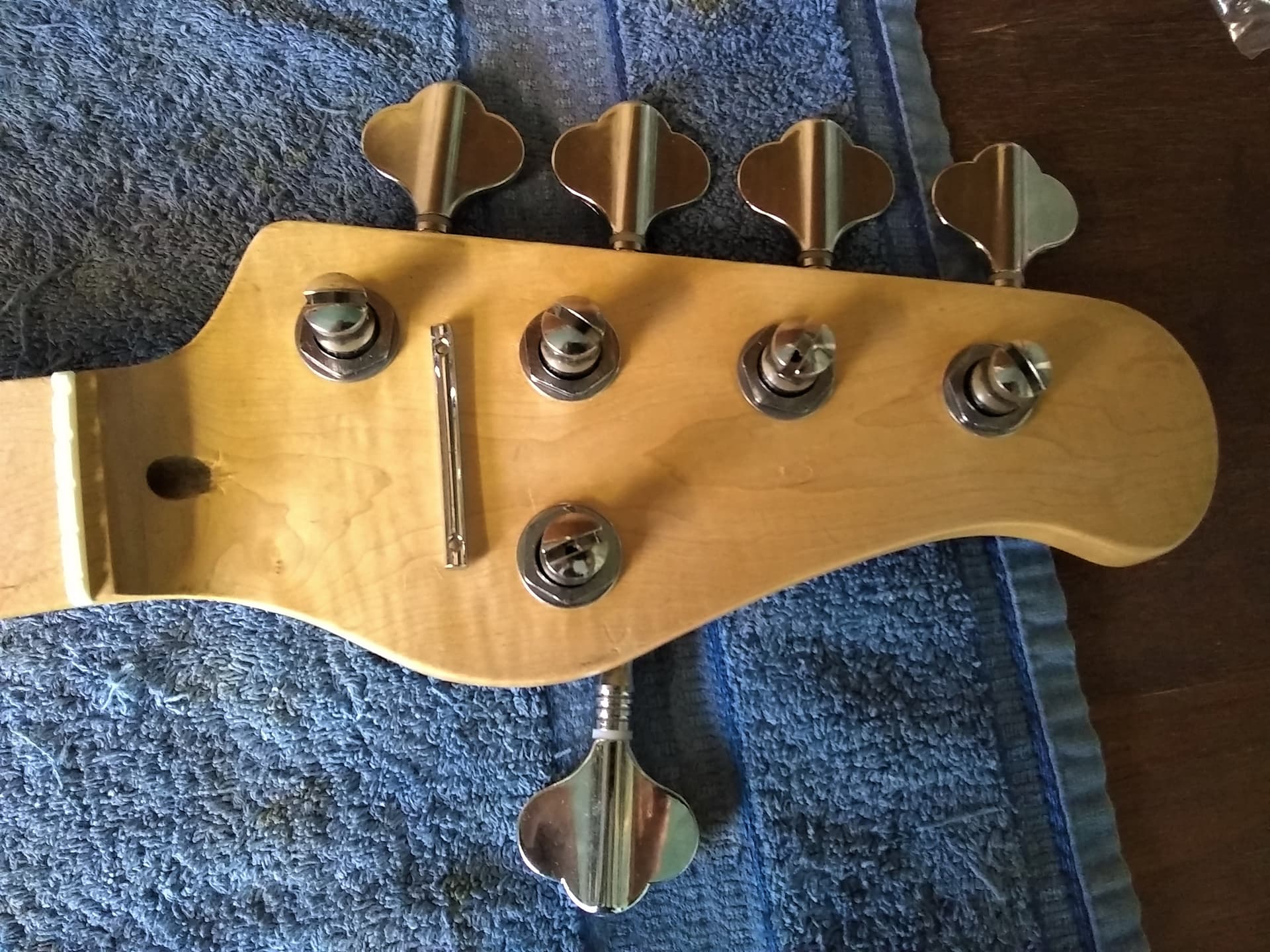
So, fiver players, should the G string tuner be parallel to the others or perpendicular to the headstock ?
Electronics !
I couldn’t resist the temptation to have three hotrail humbucker pickups, each on a humbucker/single coil switch and separate volume pot. The upper control plate has two thumb-wheel pots which will need to be tone pots, leaving a single on/off push switch, any ideas on what to use it for ?
I don’t know for “should” or “should not”, but I think it looks better not parallel with the others.
Replace it with an arcade-style button, make it a kill switch. Hold it down, it temporarily cuts the pickups. So you can do cool “ba-ba-ba-ba-ba-ba” type stuff.
Buckethead is exactly who I was thinking of when I wrote that. My brother used to have one of the Buckethead signature guitars. The kill-switch was super fun.