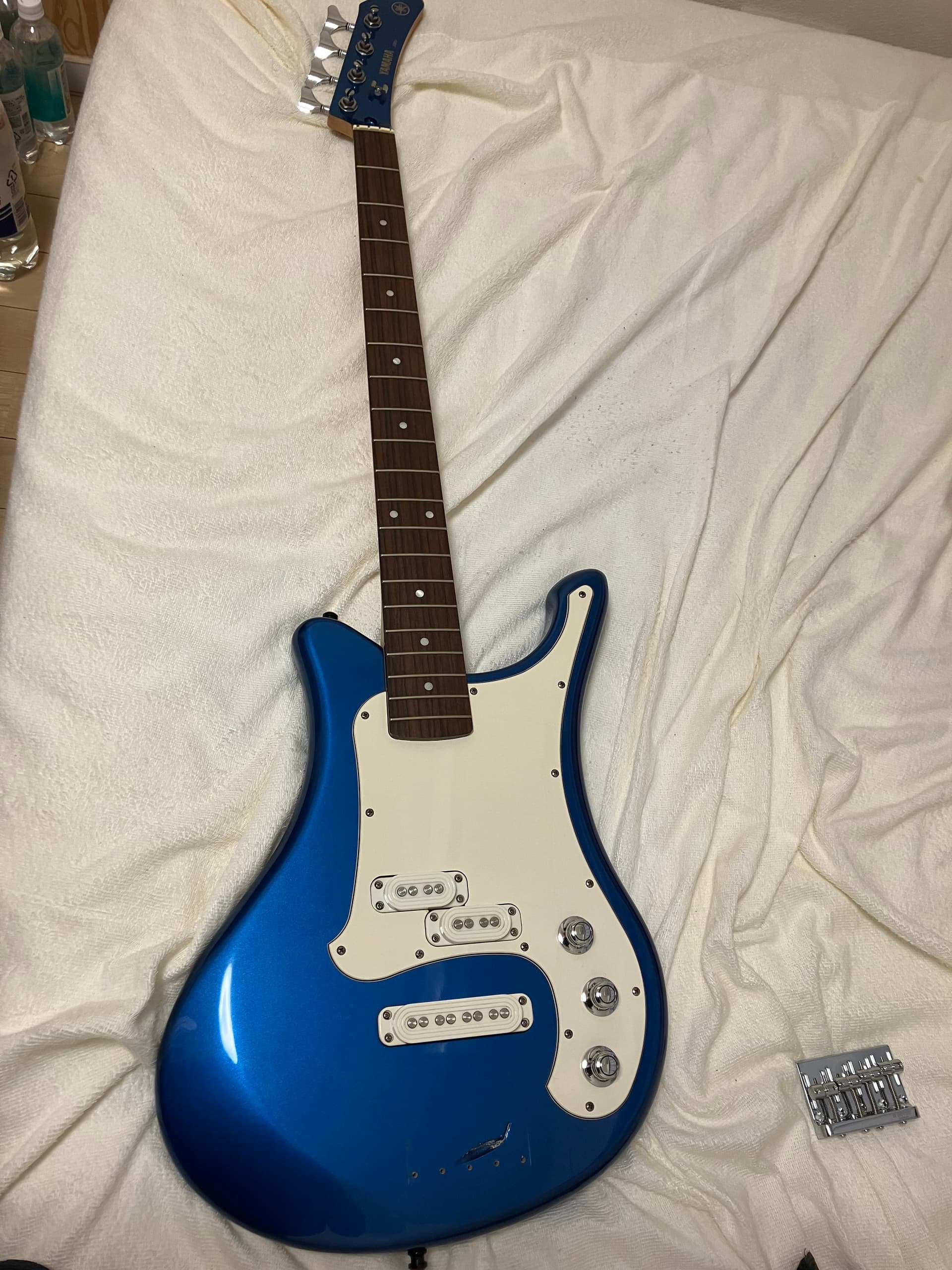
Thanks to @Barney
This is the video I was going to follow. Comments welcome
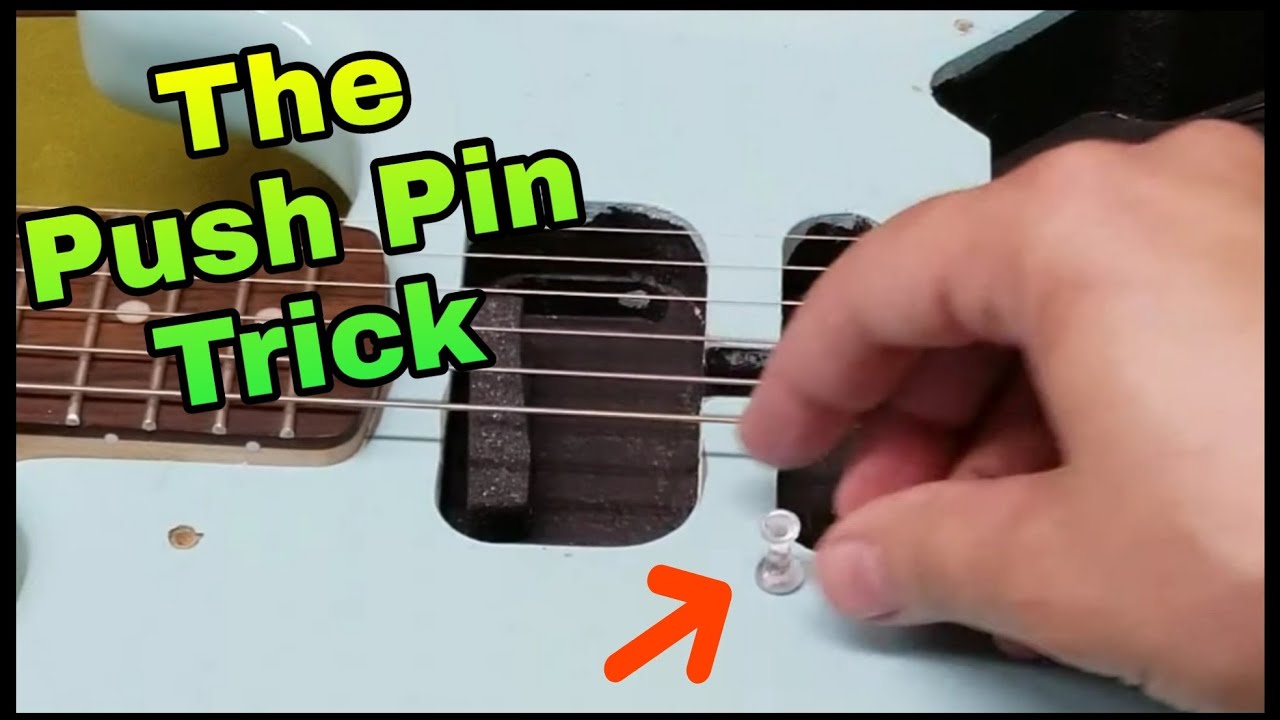
 Yep, wood has a mind of its own. You gotta make it do what you want. Glue gets its attention, big time.
Yay, here we go. First, get the strings and bridge off, start cleaning up any gunk that’s accumulated from use over the last year…
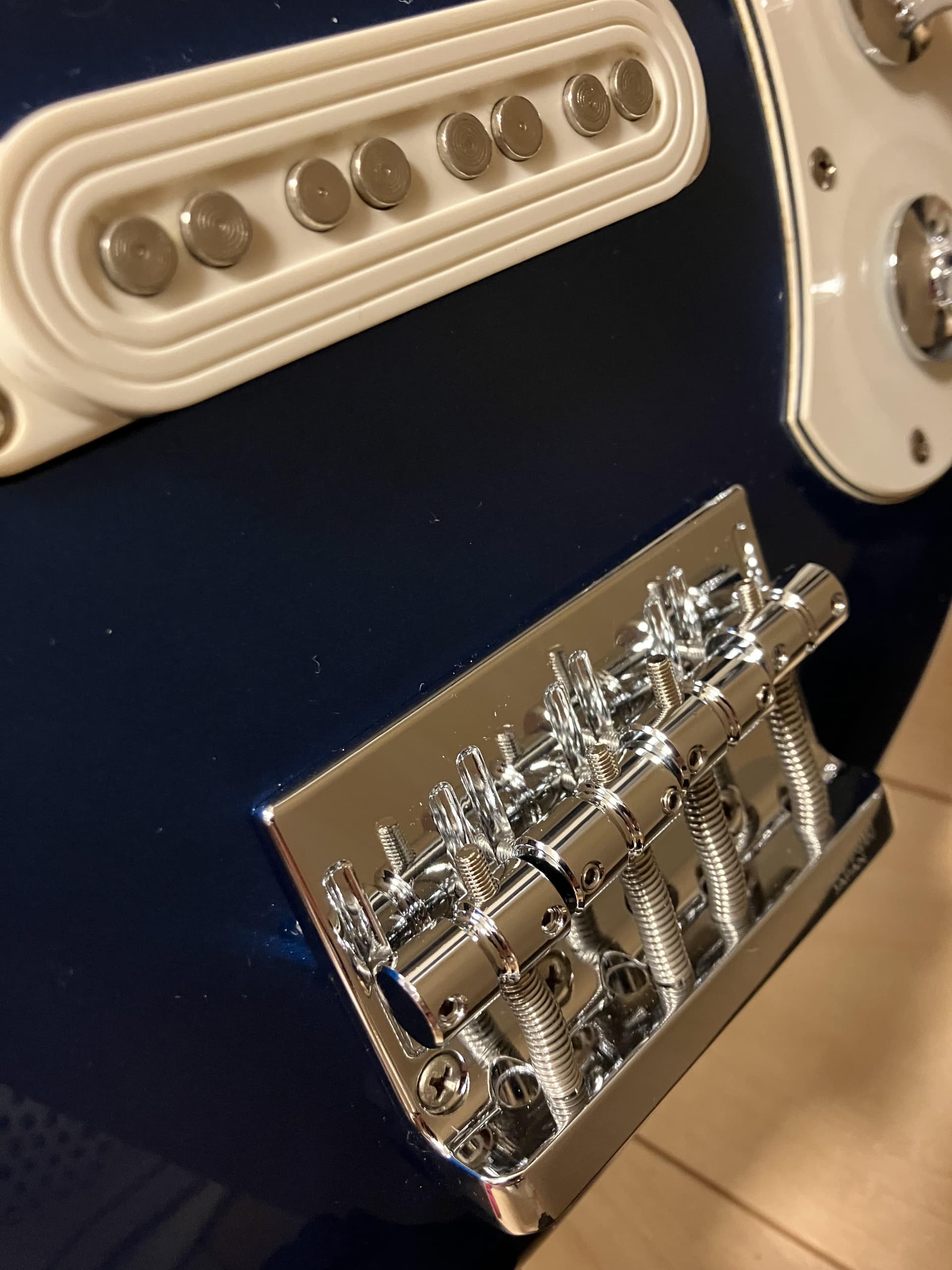
Put the Gotoh 201B on, looks great (as they do  )…
)…
polish the fret wires with a high-tech metalworking tool (a mid-grit ladies’ nail buffer), polish the frets themselves with the superfine-grit side, oil it up, looks awesome…
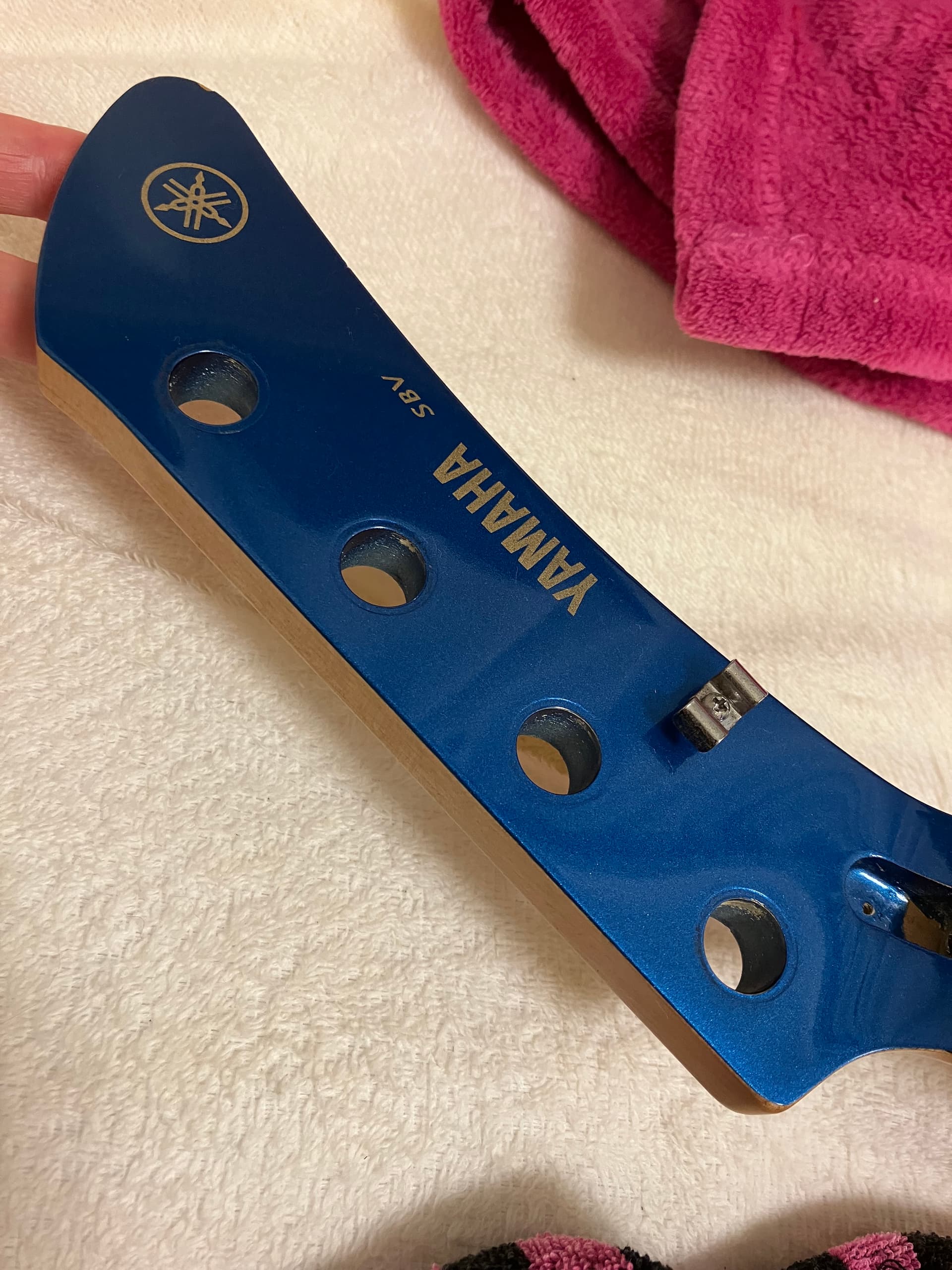
Pull the old tuners out and give the headstock some detailing…
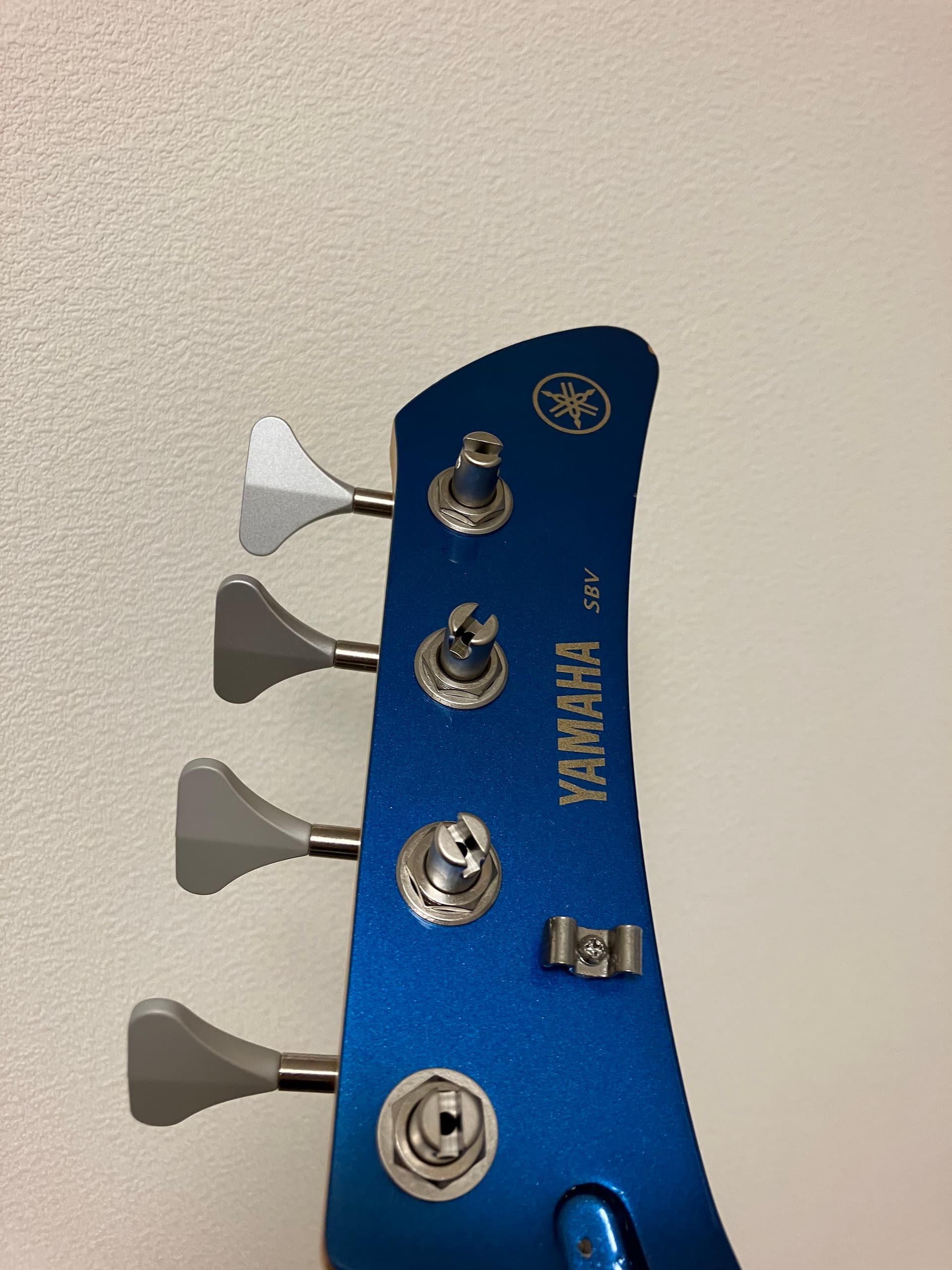
Throw in the Hipshots, feel incredibly lucky the screw holes lined up; all done but the restringing and setup.
Total time maybe 1.5hr (had fun detail cleaning it, I enjoy that. Amazing what accumulates even in a clean environment.)
Results are great; the combo of the slightly heavier bridge and much lighter tuning machines is that the slight neck dive it had is gone and the bass is maybe 100g lighter.
Very nice all around!
Thanks!
Certainly went to town on her @howard .
Got me GASSING for a Gotoh bridge now 
They are inexpensive, very high quality, and a drop in replacement for most basses; they have several variants for how the bass is drilled. It’s become my favorite aftermarket bridge.
I’ve got a Gotoh bridge on the way for my 50s P. Looking forward to it.
Well I will have to disagree with the carpenter then.
If the hole is completely stripped to where the screw pulls out and the use of a dowel and re drill is needed, then yes it is advised to glue the dowel.
If the strap button is just loose to where the screw won’t tighten and spin (most cases), glue is not needed. As a matter of fact, using glue with a toothpick will most likely also glue the screw, and depending on what wood glue you use and quantity applied, trying to remove the screw could cause the guitar to crack or worst have the screw break inside the hole.
I’ve used the toothpick trick without glue on all my instruments and I’ve yet to have one spin or come out.
If someone wants to use glue it’s their choice, but I stand behind my claim that glue is not needed for the toothpick fix.
OK I’m not trying to be a jerk here but I do this for a living. All day is wood, wood, wood. Cutting it up and gluing it together.
So the reason the screw wouldn’t break is that the process of repairing the stripped hole is broken into separate parts. You glue the toothpick into the hole. You then let the glue completely dry until it is rock hard. You then drill a pilot hole so that the screw won’t break or crack the finish. Then you carefully reinstall the screw.
Trust me it’s the only thing i know anything about.
Glad your method works for you. My method works for me. No glue or drying time needed.
Absolutely. Placing a toothpick dry into the hole and using the screw as a wedge will work. However there’s a reason why in woodworking we glue things together. That’s because it’s stronger. A glued joint is stronger than a non glued joint.
So gluing in a toothpick (which takes less than 10 minutes) is stronger than not gluing it in. I personally have 10 spare minutes to ensure that the strap lock screw is given the best possible chance not to fail. YMMV.
I’ve found wood without glue in a strap button hole doesn’t last. Might for a while. But it ain’t right. Sorry, @Barney is correct on this one 100%
There’s always cyanoacrylate wood glue if you’re impatient.
I’ve had the opposite experience. My toothpick fixes have been holding for years rock solid. Maybe it’s because I split and fit the toothpick properly.
I though you said you waited until the glue dried rock hard and then drilled a pilot hole. Most PVA glues take 24 hrs to fully cure. So which one is it?
Shall we keep going?
The act of cutting down a toothpick, spreading glue on it and inserting it takes less than 10 minutes.
As I said earlier, you then wait until the glue is rock hard. Depending on how much glue you used, the type of glue, how warm the room is, how humid the room is etc will affect how long it takes to completely dry. There are normally directions on the side of the bottle explaining average dry times.
Your method works. However gluing the wood together is stronger. I’m sorry, but that’s just science. Yay for science.
LOL, Ok open to interpretation what the 10 min comment meant.
I never said that not gluing it would be stronger. I claimed that glue is not necessary for the toothpick fix, and I have field trials of several years to back up my claim. So yes, yay science! We can agree on that!
The toothpick is in and glued and I’ll see how it goes tonight.
In other news, I may pick up a Fender PV 63 for my p. Lot of good options but I can get this now for $93 and value for price and sound, just not going to beat that in my estimation
Glue is meant to be placed in a bag and enjoyed between work tasks…